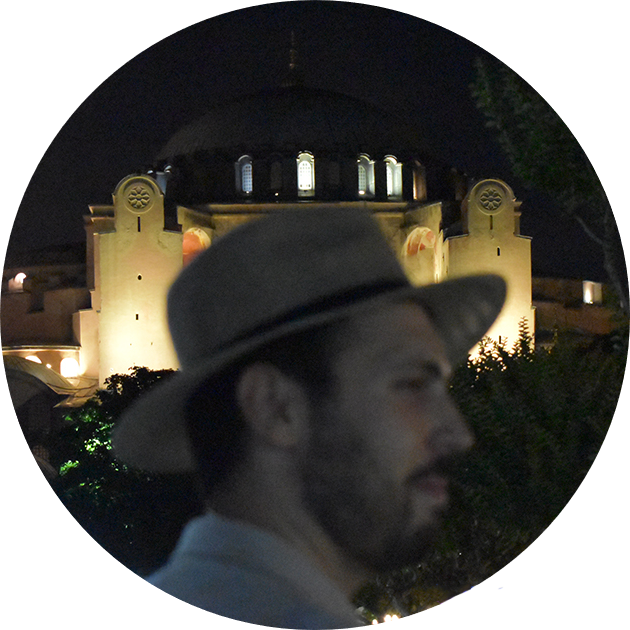
Being a tour guide isn’t just my job — it’s who I am. Guiding in Istanbul shapes how I see the city every day. Yet lately, I’ve been asking a question many local guides quietly share: is there still a future for us? Will travelers continue to seek human connection, local insight, and real storytelling, or will the expanding digital world slowly replace us?
After years of guiding through this vibrant city — from its ancient cisterns to its bustling markets — I’ve reached a point where I not only reflect on my own journey but also reconsider the history and evolution of guiding in Istanbul.
There was a time when local travel agencies held all the power. Strong ties with major tour operators shaped the entire guiding scene. They set the standards, created opportunities, and decided who guided whom. But those days are long gone.
As technology advanced, travelers became more independent than ever. Instead of relying on agencies, they turned to online platforms, mobile apps, blogs, YouTube channels, and Instagram recommendations. Booking a guide became seamless — sometimes even too seamless — leading to entirely new expectations. Suddenly, we had niche experts: “family-only guides,” “photography guides,” “skip-the-line pros,” and “food influencers who guide on the side.” The landscape shifted faster than any of us could have imagined.
Reflecting on that transformation — and my place within it — inspired me to write this article. I want to honestly critique the past, grasp the present without any illusions, and envision a realistic future for guiding in Istanbul. And I want to do this from the perspective of someone who has lived through every stage of this profession, not just watched it unfold from a distance.
So let’s explore what Traditional Guiding versus The Future of Guiding in Istanbul truly looks like — through the eyes of a local guide who has witnessed this entire evolution firsthand.

Introduction
The Personal Identity of a Local Guide
Local guides have always been the heartbeat of vibrant cities like Istanbul. They do more than just rattle off historical facts; they peel back the layers of culture, uncover hidden gems, and share the living stories that breathe life into every street corner. In the past, each guide had a unique flair that made them stand out. You could easily spot them from afar—maybe it was a stylish hat, a bright tie, a quirky bag, or just the undeniable confidence and charm that set them apart.
When leading tours, each guide had their own rhythm. They had favorite spots to pause, ideal places to let the group catch their breath, clever ways to navigate through crowded areas, and even specific storytelling techniques they’d deploy at just the right moment. These habits weren’t random; they were the essence of what made a tour guide unique, their personal signature. Some were protective of their methods, treating them like precious secrets, while others kept their sources of inspiration under wraps to stay ahead of the competition. And that was perfectly normal—it was all part of the craft, part of the guiding culture.
In essence, every guide was a world of their own. Each brought a distinct energy to the experience, and that individuality is what once made guiding in Istanbul truly special. Today, that distinction is fading. The lines that defined who a guide was—and what made them unique—are no longer as clear or as valued as they once were.
How the Guiding Industry in Istanbul Has Evolved
Now imagine a world without the internet. No apps, emails, social media. Hard to picture today, but let’s go back in time. People used phone books, planners, and word of mouth. They met under familiar landmarks. In that world, being a tour guide was completely different.
You built your career one phone call at a time. Trust was everything. You had to build strong relationships with travel agencies. You had to be ready for anything. Even for your entire week to change overnight. Many guides carried bags full of books and notes— their own mobile libraries.
The job felt serious. Intentional. Professional. Even if outsiders didn’t see guiding as a “real” profession, for us it was. And it still is.
Then came the dial-up sound. The moment we connected to the internet. Emails appeared. Websites followed. Online marketing grew. Smartphones changed everything. Finding a tour guide went from a long process to a few taps on a screen.
Today, the role of the guide has evolved. Sometimes for the better. Sometimes not. Social media profiles replaced business cards. Reels and short videos now decide who looks like a “master of the craft.” But are they really?
We’ve all changed. Whether we wanted to or not. Whether this change is leading us in the right direction is still unclear. But one thing is certain: what comes next will shape the future of guiding.
As for me, I remain hopeful. I have my own plans. And I believe there will always be space for guides who truly know their city, speak from the heart, and adapt without losing their essence.
The Roots of Traditional Guiding in Istanbul
How Traditional Guides Were Shaped
Most traditional tour guides in Istanbul didn’t exactly grow up with dreams of leading tours. In reality, many of them were once students at the city’s esteemed schools, where they were immersed in international settings, foreign languages, and a wide range of academic subjects. Their education — spanning political science, history, literature, and languages like French, Italian, and English — naturally molded them into some of the most qualified guides around. And believe me, they truly earned that title.
Being multilingual set them apart from the average Istanbulite. Their expertise opened up new opportunities, expanded their perspectives, and sparked a curiosity about the world beyond Türkiye. A lot of them had already ventured abroad long before most travelers even recognized Istanbul as a must-visit destination.
To make a lasting impression, you had to be unforgettable. You dressed purposefully, spoke with flair, and viewed the world through a unique lens. Traditional guiding was an art form, practiced by vibrant personalities — individuals who could seamlessly transition from discussing economics to dancing at a local tavern, depending on the vibe of the group.
Traditional guiding was a classic. Guiding in Istanbul, it was like a vintage car—polished, elegant, and full of charm—yet today, it’s slowly gathering dust in a forgotten garage.
The “Golden Era” of Local Agencies
The early 2000s were a real game-changer — a time that many still fondly refer to as the golden age of Istanbul’s local agencies. During this period, both guides and agencies transformed into professional outfits, all united by a common mission: to create unforgettable experiences without cutting corners.
Preparation was key. In truth, it was about 90% behind-the-scenes effort and only 10% showtime — although if you ask the guides from that time, they might argue it was the other way around. Every program was carefully designed, featuring reputable restaurants, a variety of tours to please everyone, and those special touches, like inviting a museum director or a local celebrity to enhance the day’s adventure.
Naturally, tours included stops at trusted shops — a hallmark of the era — and yes, commissions were quite generous. It was a thriving time for everyone involved. Local agencies, guides, and travelers all thrived in a system built on mutual respect and genuine collaboration.
What Traditional Guiding Meant for Travelers
Guided tours used to be so much more than just sticking to a schedule. They were about creating connections and evoking emotions. It transformed a simple day into a memorable experience—not in the flashy way we often hear about today, but in a way that truly resonated with people.
Travelers from all corners of the globe would come together for tours designed by visionary agency owners. They’d rise with the sun, meet in the hotel lobby, check their names off a list, and if someone was late, a hotel staff member would be dispatched to knock on their door. Once everyone was on the bus, the day’s adventures began to unfold, one by one.
This routine fostered a special vibe around the guide. For many travelers, their guide became a sort of protector of the group—especially in complex places like the Grand Bazaar. The thought of losing sight of their guide was simply unimaginable.
When their journeys came to an end, guests returned home with tangible reminders of their adventures: printed photos, albums, and snapshots displayed on the mantelpiece—often pictures that the guides themselves never got to see.
Strengths & Weaknesses of Old-School Guiding
Back in the day, old-school guiding had its fair share of strengths: strong bonds, deep trust, and genuine connections between people. But let’s be real, it wasn’t exactly practical. There was no social media, no personal websites, and definitely no constant digital presence. Yet, somehow, those relationships felt more solid. Some of my older colleagues even used to write letters to guests, waiting months for a response. That kind of patience built a level of trust that a simple “like” on social media could never replicate.
However, the learning curve was tough. It took years of reading, comparing notes, refining your own style, and practicing with travelers to really master the craft. There was no quick way to “get it right.” Unlike today, where answers are just a few clicks away, guides back then sometimes never found the answers at all. For someone as curious as I am, that uncertainty would have driven me up the wall. But maybe that’s also a big part of what shaped me into who I am today.
This whole universe evolved slowly — a mix of pain and beauty — leading us to where we are now. Even today, diving into historical topics can feel like a heavy workout. And despite all the discoveries we’ve made, there’s still a mountain of historical “junk” out there, just waiting to be uncovered, understood, or even just acknowledged.

The Turning Point: Technology, Apps & Digital Discovery
Online — it’s such a powerful word, isn’t it? I can’t quite put my finger on why, but it evokes this intriguing blend of productivity, excitement, and just a hint of chaos in my mind. And when we think about how technology has transformed tour guiding (and travel as a whole), that chaos really starts to feel tangible.
How Online Booking Platforms Changed the Game
Let’s face it: online platforms have completely transformed travel management — and not always for the better. On one side, travelers have gained a wonderful sense of independence. On the flip side, the explosion of digital content has blown the “local expert illusion” way out of proportion.
If you search for “Istanbul travel tips,” you’ll find yourself wading through a sea of digital clutter. You’ll come across self-proclaimed travel gurus and “experts” who have never even set foot in Istanbul, churning out articles and videos just to grab attention. Many of them promote the worst tours, guides, and agencies purely for profit. But the real issue runs deeper: they spread misinformation, concoct experiences that never happened, and mislead travelers who genuinely want to get to know the city.
Sure, booking a tour has become super easy. Just a few taps and a guide is at your service. But lurking behind that convenience is a darker reality: misleading offerings. Some platforms advertise “skip-the-line tickets” for places like the Blue Mosque — even though there’s no ticketed entry and no line to skip. The same goes for Hagia Sophia: they tout “fast-track entry,” yet everyone goes through the same line, faces the same security checks, and enters through the same door.
These tactics not only harm travelers but also drown out honest guides in a sea of noise. That’s why, in guiding in Istanbul, genuine local insight—rooted in real experience and professional knowledge—is more crucial than ever.
From Agency-Assigned Guides to Search-Based Guidance
Today, I truly admire travelers who take the time to do their homework — those who seek out local guides in Istanbul, compare prices, and ask for flexible, personalized itineraries.
This shift from relying on agency-assigned guides to choosing based on personal research has transformed the travel landscape. Now, travelers make their selections based on:
- credibility
- transparency
- specialization
- style
- personality
And let’s be honest, qualifications have never been more important.
For the past year and a half, I’ve been waving my own flag — running my own licensed travel agency in Istanbul and leading tours exactly how I think they should be done. This independence has pushed me to grow professionally, sharpen my focus, and create tours that are rooted in authenticity rather than just following trends.
Guides are now playing a much more visible role in shaping travel experiences. Whether this has led to a completely new understanding of guiding is still up for debate, but one thing is certain: we’ve transitioned from agency-assigned guides to a search-based approach, diving even deeper into specialized niches — city tours, food tours, architecture tours, neighborhood experiences, photography tours, and so much more.
Guiding in Istanbul today is tougher, more intricate, and more competitive — but it’s also more thrilling and more rewarding than ever.
How Price Competition Affected Guide Quality
Every guide dreams of being a hero — both in terms of finances and their careers. But in Türkiye, the game of price competition comes with its own set of unique rules and realities.
Each year, daily tour prices are set at a minimum level. Ethically speaking, no guide or agency should dip below these rates. Plus, if you want to guide independently, you can’t do it without a travel agency. TÜRSAB, the organization that oversees tourism and safeguards agency rights, makes sure that only licensed agencies can arrange and sell travel services.
That said, tourists can still hire individual guides. They absolutely can! However, those guides need to:
- prepare legal documentation
- issue invoices
- meet official requirements
- steer clear of selling services that are exclusive to travel agencies
Independent guides aren’t allowed to organize transportation, package tours, or accommodation services. They can promote themselves, but there are some restrictions. And without an agency backing them, many opportunities remain out of reach.
So, what does this mean for competition?
It gets a bit chaotic. Unregulated. Unpredictable. Some guides lean on their connections — whether it’s hotel receptionists, agency partners, or colleagues passing tours their way. Honestly, competition has never been the true measure of a professional guide’s quality in Türkiye. Not even once.
Ultimately, it’s the travelers who determine the quality of a guide. It’s not my role to label anyone as good or bad. I can only be accountable for my own standards, my vision, and how I approach my craft.

The Present: Hybrid Guiding in Istanbul
There was a time when I saw myself as a hybrid guide. Guiding in Istanbul naturally shaped me that way—constantly experimenting, stumbling, trying again, and refining a new approach, without ever losing respect for history or the facts.
Over the years, I’ve evolved. I can feel these shifts in my storytelling, in how I journey through time with my guests, and in the way I ensure they return safely. It’s like I’ve reached a level where I can captivate any audience — completely, authentically, without interruption. Sometimes, it even feels like a superpower.
As I guide, I often find myself observing my colleagues: their reactions, the whispers exchanged, the movement of their eyes. Meanwhile, I’m narrating, leading, and analyzing the psychology of the moment. It can be mentally draining, sure, but it also gives me insight into where my fellow guides are in their own journeys. Many are still on the path to discovering their unique voice — and I truly hope they find it soon.
The New Guide Profiles (Family Guides, Niche Experts)
Lately, I can’t shake the feeling that many guiding trends feel artificial—almost plastic. Guiding in Istanbul now seems increasingly fragmented, sliced into tiny specialties, much like the branches of modern medicine.
Everywhere I turn, I come across these so-called “branded experiences”:
- Family-friendly guide
- Turkish coffee expert
- Fortune-telling guide
- Street-food micro-specialist
If these tours cater to the needs of certain travelers, then that’s fantastic—there’s nothing inherently wrong with having a niche. But honestly, a lot of these ideas come off more like marketing gimmicks than anything with real substance. They have catchy names but lack genuine depth.
We’re not quite there yet—the place where niche expertise feels natural and authentic. What we have now are fleeting encounters, quick experiences, and impressions that don’t stick. Many travelers forget their guides as soon as they leave, while I find myself holding onto those memories long after they’ve flown back home.
The Importance of Storytelling Over Basic Information
Everything these days feels like just another social media post — scroll, consume, forget. And guiding is no different.
Many guides stick to the basics:
Translating a piece of calligraphy.
Pointing out a stone.
Naming an architect.
Sure, some travelers might be momentarily impressed. But what will they actually remember a decade down the line?
Not the inscription, the date.
Not the dry details.
What people truly remember is how you made them feel.
Guides, at least in my eyes, have a deeper purpose. Guiding in Istanbul isn’t about listing sights; it’s about leaving guests with the emotions a place carries, long after the fountain itself fades from memory.
Storytelling isn’t just fluff. It’s not mere entertainment. It’s the heart and soul of guiding.
You can have all the instruments in the world, but without storytelling, the music will never touch the heart. It might hit the eardrum and fade away before it can evoke any real emotion.
And no — I don’t feel threatened by anyone or anything. Not even AI.
In fact, AI will only highlight my own strengths even more. I will champion genuine, human guiding until the very last day I can stroll through these streets.
Travelers’ Evolving Expectations
Let me break down the cycle for you — it’s pretty straightforward:
A traveler arrives in Istanbul, stumbles upon a vibrant street lined with colorful umbrellas, and snaps a photo.
Meanwhile, a blogger, sitting thousands of kilometers away, spots that image and decides to write an article about it.
Soon enough, more travelers flock to the city, all eager to find that very street.
They capture their own photos and then move on.
They’re offered museum passes and city tours.
They dash from one highlight to the next.
When they head back home, they proudly share tales of their “perfect trip.”
But here’s the catch…
They still don’t really grasp what Istanbul is all about.
Don’t get me wrong — this is how I make my living. Everyone is more than welcome to return. However, this shift, sparked by a single viral photo, has skewed the global perception of Istanbul far from its true essence.
Now, people are wandering through the city, following the shadows of someone else’s Instagram post. This trend is everywhere — and Istanbul is no exception.
How Misleading Listings & Low-Cost Offers Damage Local Guiding
These days, a lot of tourism companies are chasing profits by offering low-priced services, and sadly, this is causing serious harm to the guiding profession in ways that might be hard to reverse.
Istanbul’s main attractions are overwhelmed by online platforms that promote:
- shoddy tours
- inexperienced guides
- misleading promises
- unrealistic “skip-the-line” claims
- fake fast-track entries
- fabricated reviews
Travelers are spending their most precious resource: time. And once that time is gone, it’s gone for good.
The tours may look appealing — “perfect,” “affordable,” “fast,” “easy,” “essential.” But here’s the harsh reality:
These services often hire the cheapest, least experienced guides, give them no opportunity to grow, and expect them to stretch thin content to fill the entire tour duration. The only ones benefiting are the agency owners who have set up this marketing machine.
In this environment, guides can’t improve or develop their skills. Why would they? Their work becomes mechanical — just filling the time, dodging complaints, and moving on to the next group.
When you search online, you’ll stumble upon countless articles, blogs, and “Top 10 Things to Do” lists — most of which are created by the same agencies. Major platforms like GetYourGuide are complicit in these practices.
This is the battleground where authentic guiding must fight to survive.
The Role of Social Media in Choosing a Guide
I’ll be real with you: social media isn’t really my thing — though maybe I should give it more thought. I use it to keep my humanity intact, not to put on a show. I share updates, interesting articles, and little reminders that I’m still around, still passionate about what I do.
As I write this, I have 278 followers — and most of them are people I’ve actually helped along the way. That connection means so much more to me than any viral post ever could.
What I do is all about remembering.
I remember every traveler — their faces, their stories, their questions.
Is that even possible?
Absolutely. The mind is limitless.
This season, I had a guest from Greece — let’s call him Harry. He missed my Basilica Cistern tour and left a not-so-great review through the agency. Later that same day, he joined my Hagia Sophia tour. I approached him and said:
“I saw your review — don’t worry, we’ll make it right.”
We went through the tour together. I invited him back the next day. He accepted. We explored together. By the end, he changed his review to five stars — not because I asked him to, but because he genuinely felt the difference.
That’s what guiding is all about: the power of memory.
That’s why, for me, social media isn’t just a marketing tool — it’s a way to remind myself of real connections.
Sure, people who post trendy reels might have thousands of followers. But I know exactly why I don’t. And honestly, it’s a relief to realize that the people who follow me do so because they appreciate who I am.
Between you and me — you already know I’m the best in the game. And I know it too.

Challenges Facing Today’s Professional Guides
The Reality Behind Today’s Guiding Environment
Travel agencies hire guides just to keep things running. One group arrives, another leaves. Some groups are huge. Others are just a few people. In this rhythm, there’s little focus on the craft. Not on perfecting a tour. Not on fixing small issues.
Guides run one marathon after another. For me, the real problem isn’t speed or workload. It’s the lack of supervision and mentorship.
There’s no one to guide you. Even fewer who want to be guided. I still wish I’d had mentors when I started. People who could teach the job as it’s really done. Not theory—practice.
I had to figure things out alone. No map. No lighthouse. It sounds dramatic, but that’s how it felt. That’s why I share everything I know with my colleagues. Whether they work with me or under me.
Guiding is mostly a solo job. It either breaks you or toughens you up. Guiding in Istanbul sharpened my competitive edge—it helped. I was always the youngest in the room.
I entered tourism in 2008, at sixteen. While others were buying cars or traveling, I was pushing my limits. During my college internship, I was the only one actually guiding. In 2013, I worked nearly four months straight.
That stayed with me. Especially last year, at a meeting for new travel agency founders. When I stood up, I noticed the average age in the room.
Guides will always face challenges. Still, every guide finds their own path. That’s what we do.
Ticket Fraud, Audio Tours & “Guide-Free” Experiences
For the last five years, just like in many other places around the globe, agencies in Istanbul have been busy selling online tickets, audio tours, and experiences that don’t even come with a guide.
And speaking both as a guide and a regular tourist, I can honestly say: the system is a mess.
Visitors rush through museums as if they’re in a race. There simply aren’t enough museum staff in Istanbul to manage the throngs of people or cater to their needs. With millions of visitors pouring in, the chaos leads to all sorts of technical headaches for both tourists and professionals.
I won’t even get started on the scammers who sell “entry tickets” only to vanish right after introducing you to a “guide.” Many tourists find out too late that their so-called magical QR code isn’t actually a ticket at all. They end up sprinting back to the meeting point, trying to decipher instructions that were confusing from the get-go.
Last year, people were duped into paying for “skip-the-line entry” to the Blue Mosque, which is actually free. Let me make this crystal clear: the Blue Mosque is free. No one can save you from waiting in that line—there’s only one entrance for everyone.
Some agencies even bundle the Blue Mosque with Hagia Sophia as a “combined entry experience,” banking on the fact that tourists won’t catch on to the fact that one of them doesn’t charge admission.
The whole system is broken. There’s no oversight. And those so-called “reliable” booking platforms are complicit in this mess, profiting off the misfortunes of innocent travelers who just wanted to explore.
Istanbul Tours vs. Solo Travel: 100 FAQs to Help You Decide
Race-to-the-Bottom Pricing
Meanwhile, the race to snag the cheapest option is still going strong.
Let me be real with you:
Tourism isn’t just a Black Friday sale.
And tour guiding? It’s never been that way.
You’re not just picking up a discounted sofa.
I’m not suggesting that a guide should break the bank, but let’s not get caught up in the “best deal” frenzy. More often than not, the so-called “best deal” isn’t the best choice at all.
Online travel agencies thrive on this competition, making you scroll endlessly through their offerings. Trust me, you’ll eventually stumble upon one of their deals. That’s just how the online marketplace operates.
All those reviews? Carefully curated.
Descriptions? Deliberately brief—less than a minute to read.
What’s the aim? To lure you into a trap and get you to book whatever pops up first.
They’re relentless, tracking your online behavior and bombarding your screen with ads. They’re banking on the idea that you’ll book something eventually. And, let’s be honest, you often do.
Before I continue, I want you to ponder this one question—quietly and honestly, just to yourself:
If every museum has its own official ticket…
and each museum offers its own audio guide…
why would you pay third-party companies for the same thing?
Once you figure that out, everything will click into place.
The Future of Guiding in Istanbul: My Predictions
After technology made some serious leaps, I noticed a common phrase popping up from tourists over the past year: “We’ll just use AI instead of a guide.”
This became our new normal—starting off quietly, but then it seemed to be everywhere all at once. Understandably, every professional guide is feeling the heat, pondering what the future holds as tech continues to transform our lives.
So, let’s embark on a journey together to uncover some answers. Here we go!
Will AI Replace Tour Guides?
I think the answer is mostly yes—and I know that might sound a bit alarming.
AI has woven itself into our lives through our phones, glasses, watches, and just about every digital nook and cranny we encounter daily. Whenever we face a challenge, we turn to this new neighborhood superhero. It delivers quick responses, satisfying solutions, and—most of the time—answers that are good enough.
So yes, AI is set to take over many roles once held by tour guides—and it’s already happening. In the context of Guiding in Istanbul, this shift comes down to two main reasons:
- AI is free and available at our fingertips.
People crave convenience above all else. - Knowledge is no longer a rare commodity.
The same historical facts that could elevate a tour guide to stardom can also empower AI to become a formidable rival.
That’s why I said “mostly.”
The future will likely phase out the majority—those who rely solely on basic information—but it will shine a spotlight on the truly exceptional guides. People will actively seek out specific guides for their unique expertise, not just for reciting museum labels.
Will AI replace tour guides?
Mostly—and in many cases, it already has.
But not all of us.
How About My Future?
I’m confident I’ll be just fine. Not because I’m overly optimistic, but because I know I have the power to shape my own future.
I could have easily played it safe, clinging to my current situation and hoping for the best. But I made a bold choice not too long ago: I decided to step away from all third-party platforms and cut ties with any partnerships.
Now, my focus is entirely on my own growth and honing my craft within my own space—my travel agency. I want to be accessible through one genuine platform, rather than being spread thin across a bunch of different marketplaces.
I’m diving into new projects, exploring fresh ways to guide, and creating unique experiences. These upcoming endeavors will help me become more complete and self-sufficient than ever before. While I’m busy building this future, I’m also securing my own path ahead.
The reality is straightforward: Tour guides will face challenges. Those who aren’t qualified, who don’t strive to improve, and who fail to adapt—sadly—won’t make it in this field.
I’m committed to growing in every possible way: becoming stronger, more resilient, and more promising than ever. My future is firmly in my hands. No matter what comes my way, I’ll give it my all until my very last breath.
A Potential Return to Quality Over Quantity
In my professional view, the future of tourism is just around the corner—and travelers are going to be incredibly picky.
No matter how stunning the photos are or how enticing the descriptions sound, people will start booking less and less. The era of “click and confirm” is on its way out.
Online platforms are well aware of this shift. They’re already making their moves:
“Book Now, Pay Later” promotions
“Best Selling Tour” labels
“Most Reviewed Activity” tags
Streamlined booking processes that require almost no input
Everything is designed to keep bookings flowing, even when guiding in Istanbul loses quality, depth, or genuine guidance.
Instead of honing their craft, these platforms are setting up psychological sales traps. They focus on easy visibility, high volume, and low-effort offerings. The quality of the tours? Not a priority. The expertise of the guides? They don’t even consider it.
But here’s the kicker:
A shift back to quality over quantity is on the horizon.
We’ve seen it happen in countless other industries over the last decade.
After oversaturation comes clarity.
After the chaos, there’s a demand for authenticity.
And the most amusing part?
The big platforms are too busy counting sales to notice what’s unfolding in guiding in Istanbul right before their eyes.

Traditional Guiding vs. New-Generation Guiding (Direct Comparison)
This will be a tough battle. When it comes to guiding in Istanbul, I won’t struggle to judge—I’ve been weighing this comparison for years.
Traditional Knowledge vs. New-Generation Knowledge
At first glance, traditional knowledge seems to take the lead. It shines brightly and appears to kick off the race with a better lap time. Let me break it down for you.
Traditional guiding is all about a slow and steady approach. It’s focused on building the tour from the ground up—layer by layer, step by step. Within just the first ten minutes of a traditionally guided tour, you already have a clear idea of what’s coming next: a well-structured narrative that respects the natural limits of the site, the subject, or the theme. The goal here is to provide guests with certainty and clarity.
On the flip side, new-generation guiding works on a completely different wavelength. In guiding in Istanbul, it leans on modern techniques, current methods, and instant access to information. What once took months or years to reach traditional guides is now available with a single click.
This shift changes everything.
With easier access to the latest research, broader perspectives, and global interpretations, new-generation guides can practice more, improve quickly, and adapt on the fly. This naturally boosts their overall performance and propels them ahead in the race.
That doesn’t mean new-generation guides have nothing to learn from those who came before them. Guiding in Istanbul is, at its core, a tradition with a deep legacy. Experience, methodology, emotional intelligence, and storytelling are lessons only time—and mentors—can teach. That’s why learning from the traditional school remains part of my everyday growth.
Traditional Personality vs. New-Generation Scripted Tours
Let’s dive into another important comparison: Which one feels more genuine?
Before I continue, I want to make something clear. This section is all about my personal thoughts and observations. I studied Tourism Guidance at university and have been a professional guide for over ten years. I think that gives me a solid foundation to share my insights about a field I’m truly passionate about.
Lately, I’ve noticed a growing pattern in guiding in Istanbul. Many guides repeat the same lines, tour after tour—the same openings, the same jokes, the same stories. It feels less like a conversation and more like a memorized script.
Sure, when it comes to historical sites, we can’t change construction dates or rewrite history. But there’s always room for creativity, personality, and a bit of bravery in storytelling. That’s where traditional guiding used to really shine. It felt more human, more authentic, and more spontaneous.
That’s exactly why I bring my own philosophy into my tours. I’ve guided in Hagia Sophia thousands of times—so many that I’ve lost count. (My first group as an intern was back in 2013. Wow, how time flies!) The historical facts about Hagia Sophia haven’t changed, but the people I meet every day certainly have. I believe a guide should tailor their story to the audience in front of them, rather than sticking to a rehearsed script.
Conclusion
I felt it was important to wrap things up with a conclusion—not just for you, the reader, but also for myself. It’s something I can look back on in the future. My journey in guiding is just getting started, even though I’ve been at it for quite some time now. I owe my progress to the competitive spirit that drives me. The contrast between traditional and modern guiding has really pushed me to reflect on my own practices and how I craft each tour.
And I truly want you to believe this: guiding in Istanbul has a bright future. The city still needs care, attention, and—above all—dedicated guides. Those who adapt, grow, and carry the legacy forward will thrive. The rest will quietly fade.
But let’s be clear—the responsibility doesn’t rest solely on our shoulders. Travelers also need to be more discerning, more aware, and more in tune with the latest updates, news, rules, and changes. After all, they’re investing their time, money, and effort to experience Istanbul, so they deserve nothing short of the genuine, the trustworthy, and the authentic.
That’s precisely why I co-founded this platform and named it Istanbul Insider. If you want to stay in the loop, I invite you to follow my social media and keep an eye on all my channels. It’s not just my professional duty; it’s my personal passion to keep you informed with unbiased news, real events, field notes, and everything happening in Istanbul.
Catch you later!