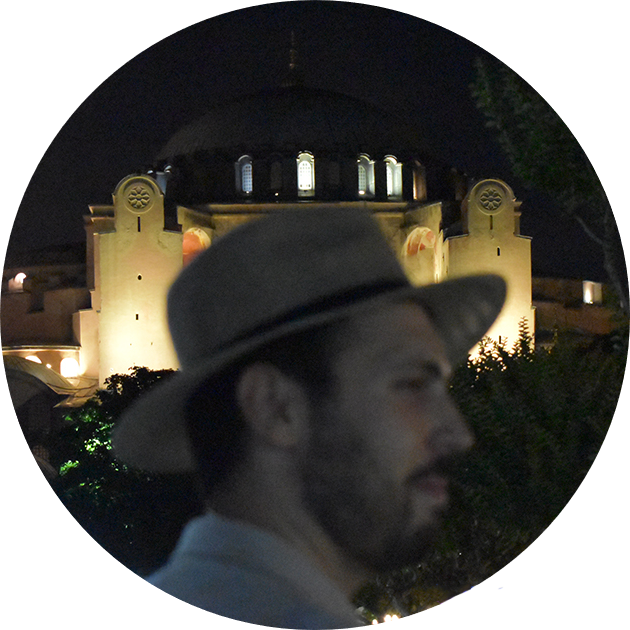
When it comes to the Blue Mosque vs. Hagia Sophia debate—Which One Should You Prioritize?—travelers ask me this almost daily. As a tour guide who grew up in Istanbul, I understand how overwhelming this decision feels, especially when countless online articles repeat the same information and fail to provide genuine, first-hand insight from someone who has personally experienced both sites.
Having spent years guiding tours around both sites, and viewing them not just as a licensed guide but also through the lens of a historian, I realized there was a need for a deeper comparison. This article aims to go beyond the usual surface-level descriptions and uncover the true significance of both the Blue Mosque and Hagia Sophia—exploring why they’re important, how they differ, and what makes each one unique.
Alongside their rich historical and architectural value, this guide provides the latest information, including recent developments and ongoing restoration efforts at both locations. My goal is to provide you with one of the most up-to-date and trustworthy comparisons available today.
The article kicks off by delving into the historical importance and key features of each monument, then transitions to the latest news and restoration updates. It wraps up by directly addressing the question posed in the title—helping you decide which one to prioritize—followed by practical FAQs to assist you in making the best choice for your visit.

Blue Mosque Architecture: Ottoman Mastery, Iznik Tiles, and First Impressions
The Blue Mosque, also known as the Sultan Ahmed Mosque, engages in a deliberate visual and symbolic dialogue with the Hippodrome and Hagia Sophia. This relationship underscores its prominence within Istanbul’s historic landscape. Positioned directly opposite the former Byzantine cathedral, the mosque functions as both a place of worship and a bold architectural statement. Through its design, it asserts Ottoman identity while responding to the scale and legacy of Hagia Sophia.
Architecturally, the Blue Mosque follows a central-plan layout typical of classical Ottoman mosque design. Its central dome spans approximately 22.40 meters in diameter and rises on four massive piers and arches supported by pendentives. Four semi-domes surround the main dome, further articulated by exedrae, or semi-circular niches. This cascading dome system creates one of the most fluid and sophisticated spatial compositions in Ottoman architecture, enhancing openness, light, and visual harmony.
Four monumental piers carry the weight of this complex dome structure. These piers rise as octagonal towers capped with smaller domes. On the exterior, arched galleries and clearly defined pier divisions produce a rhythmic and balanced façade—details often noted in Blue Mosque vs. Hagia Sophia comparisons. Together, they reinforce the mosque’s grand yet refined presence within the historic peninsula.
Inside, calligraphic inscriptions by the renowned calligrapher Seyyid Kasım Gubârî adorn the walls, arches, and domes. These inscriptions blend seamlessly with the architecture. They draw the eye upward and deepen the mosque’s spiritual atmosphere.
Iznik Tiles and the Origin of the “Blue Mosque” Name
For many visitors, the first detail that stands out inside the Blue Mosque is its remarkable tilework. More than 20,000 handmade İznik ceramic tiles cover the interior walls with intricate floral and geometric designs. These tiles fully justify the mosque’s nickname. Deep blue tones dominate the palette, complemented by turquoise, green, and subtle touches of red. Together, they create an atmosphere that feels both serene and visually striking.
Tiles cover both the ground level and the upper galleries, showcasing exceptional craftsmanship. Research reveals that although builders completed the mosque in the 17th century, they did not produce all of its tiles at that time. Some tiles date back to the 16th century and likely came from existing workshop stock. This discovery makes the Blue Mosque a key reference for understanding how Ottoman architects and artisans reused and applied tilework in religious buildings of the same era.
Light plays an equally important role in shaping the interior experience. Rows of stained-glass windows, arranged in six tiers around the domes and semi-domes, bathe the interior in natural light. This balanced illumination enhances the brilliance of the İznik tiles and the elegance of the calligraphy. As a result, many visitors step inside and pause in quiet awe.
Imperfections, Loss, and Ongoing Debates
While the Blue Mosque stands as a magnificent historic monument, it’s not without its quirks. You can spot variations in tile size, glaze quality, and production consistency that tell the story of early modern ceramic craftsmanship. Beyond these technical imperfections, the mosque has also faced serious tile theft, as various media reports and international legal cases have documented. Over the years, individuals have removed and sold individual tile fragments—and even entire panels—through auctions or private collections.
Interestingly, some of these stolen tiles made their way back into the spotlight when collectors later donated their collections to museums, allowing for identification and, in some instances, negotiations for their return. These losses have added a whole new layer of complexity to the mosque’s conservation journey.
Scholars are still debating whether the classical-period tiles found in the northern sections were simply leftover stock or specially crafted during the mosque’s construction. This ongoing conversation underscores the Blue Mosque’s significance not just as a religious site, but also as a vital case study in Ottoman architectural and decorative traditions.

Frequently Asked Questions About the Blue Mosque (Latest Updates)
Is the Blue Mosque free to visit, or is there an entrance fee?
Absolutely, visiting the Blue Mosque won’t cost you a dime! There are no tickets, entrance fees, or any fast-track options to worry about. The only thing to keep in mind is that during prayer times, the mosque closes its doors to visitors, but don’t worry—entry opens up again shortly after the prayers wrap up.
I often share updates and any changes related to the Blue Mosque, especially in the context of Blue Mosque vs. Hagia Sophia comparisons. To save yourself some waiting time, I highly recommend checking Istanbul prayer times in advance and planning your visit accordingly.
Is there a way to skip the lines or enter faster at the Blue Mosque?
Nope, there’s no way to skip the line or get fast-track access at the Blue Mosque. Everyone has to go through the same entrance, and they check your dress code before you can enter. Even though some services might say otherwise online, no guide, agency, or ticket can help you jump the queue. If you see any offers claiming that, just know they’re not being honest.
Is the Blue Mosque currently under restoration?
Absolutely, like many significant historical landmarks, the Blue Mosque goes through restoration from time to time. However, the mosque has now completed most of its major restoration work, and its current condition does not detract from the visitor experience.
The interior appears well-maintained, and there is no active construction inside the main prayer hall that would interfere with your visit or photography.
What do you need to visit the Blue Mosque?
Very little:
Modest clothing (covering shoulders and knees)
Headscarves for women (available free of charge at the entrance)
Time and curiosity
You do not need:
Tickets
Reservations
Guided tour bookings with exaggerated promises
Fast-track passes
The Blue Mosque remains an open place of worship.
What time does the Blue Mosque close?
Visitor hours vary by season:
Summer (April 1 – September 30): closes at 7:00 PM (19:00)
Winter (October 1 – March 31): closes at 5:00 PM (17:00)
Important notes:
On Fridays, visitors are allowed only after 2:30 PM (14:30) due to Friday prayers.
My professional advice as a local tour guide: do not leave your visit to the last minute. Aim to arrive at least 30 minutes before closing time.
What is not allowed inside the Blue Mosque?
To respect the mosque as an active place of worship:
Speaking loudly or disruptive behavior is not allowed.
Visitor and worship areas are clearly separated and must be respected.
Strollers are not permitted inside the mosque.
Smoking is strictly prohibited in the mosque courtyard and garden areas.
Hagia Sophia Architecture, History, and Ongoing Restoration Explained
A visit to Hagia Sophia typically kicks off with a captivating story—and if you’re hearing it from your tour guide, it often starts right here. The very first Hagia Sophia was built back in 360 CE in Constantinople as a grand Christian basilica. Unfortunately, we can’t say for sure what it looked like or even where it stood. A fire destroyed the original building, and builders reconstructed it in 415 CE, only for the structure to fall again during the tumultuous Nika Revolt of 532.
What we see today is the third and most ambitious version of Hagia Sophia. Byzantine Emperor Justinian I commissioned the structure and oversaw its construction between 532 and 537 CE, while the brilliant mathematician-architects Anthemius of Tralles and Isidore of Miletus brought it to life through their design and engineering. When it opened its doors in 537, Hagia Sophia became the cathedral of Constantinople and one of the most remarkable architectural feats of the ancient world.
Throughout the centuries, Hagia Sophia has undergone many changes in both purpose—from church to mosque—and structure, a history often discussed in Blue Mosque vs. Hagia Sophia comparisons. Its architectural evolution, in many ways, remains a work in progress.
Architectural Features That Set Hagia Sophia Apart
The most striking feature of Hagia Sophia’s architecture is its grand central dome, which spans about 31 to 33 meters in diameter. This dome, supported by elegant pendentives, stands as one of the most remarkable achievements in both structure and beauty in Byzantine engineering.
Instead of sticking to a single architectural style, Hagia Sophia beautifully combines different forms. Its elongated basilica layout merges seamlessly with a central domed area, resulting in an interior that feels both expansive and purposeful. The outcome is a space that is truly unique, unlike anything that had been constructed before.
To the east and west, semi-domes extend the main dome’s reach while also helping to bear its significant weight. Sturdy marble piers and columns create a division between the nave and the aisles, yet they visually connect the entire area into one grand interior.
Originally, stunning Byzantine mosaics adorned the building, depicting Christ, the Virgin Mary, saints, and emperors. Many of these mosaics still exist today, adding to the character of the interior. Rows of windows at the base of the dome and along the upper walls flood the interior with light and create a radiant atmosphere that observers have often described as otherworldly.
From a structural standpoint, Hagia Sophia’s dome was groundbreaking for its time. Its innovative pendentive system not only changed the trajectory of architectural design but also had a lasting impact on later Ottoman mosque architecture, influencing iconic structures like the Süleymaniye Mosque and the Blue Mosque, and, through them, much of the architectural landscape beyond Istanbul.
Is Hagia Sophia Under Restoration? What’s Really Happening
Concerns about the restoration of Hagia Sophia are some of the most common questions I get—often even before visitors step foot inside.
Yes, Hagia Sophia is currently in the midst of a detailed and delicate restoration process. Mosaics cover the underside of the main dome, making any direct structural intervention from the interior risky. As a result, conservation teams carry out most of the restoration work from the exterior, stabilizing the dome without damaging its historic surface.
One common misunderstanding involves the minaret that faces Topkapı Palace. Authorities did not tear the structure down. Instead, specialists partially dismantled it to reveal its construction methods and assess its structural integrity. Their studies identified serious weaknesses, and the ongoing work now focuses on documenting, reinforcing, and preserving the structure rather than removing it.
The most significant upcoming phase will focus on the main dome itself. Soon, Hagia Sophia’s dome will undergo a long-term restoration aimed at making it more resilient against earthquakes. Authorities have assured us that this work shouldn’t disrupt visitor access, although it will certainly change the exterior appearance for a while.
The Restoration Process: What Is Being Done
The restoration of Hagia Sophia goes beyond just surface-level fixes—it’s a deep dive into structural integrity, analysis, and preventive measures:
They’re reinforcing the dome to boost its earthquake resistance while keeping the original design intact.
Exterior work is being done to safeguard the interior mosaics from potential damage.
Lead coverings will be taken off, fixed, or replaced as needed.
A temporary steel framework and protective tarpaulin will keep the dome safe from the elements during the restoration.
Inside the building, steel platforms have already been set up as part of the long-term preparations.
Experts have analyzed how the building would behave in various earthquake scenarios, pinpointing risks and what needs reinforcing.
Structural studies have confirmed that both the main dome and the semi-domes require reinforcement, indicating that this process will take a significant amount of time.
This restoration is vital not just for the future of Hagia Sophia but also for its historical significance. Each step taken helps scholars gain a deeper understanding of its construction phases, later modifications, and historical changes—adding new chapters to a structure that has influenced architectural history for nearly fifteen centuries.

Frequently Asked Questions About the Hagia Sophia (Latest Updates)
Is Hagia Sophia under restoration?
Yes. Hagia Sophia is currently under restoration, both inside and outside the building.
According to official statements, visitor access and prayer services continue uninterrupted. People are still able to enter the monument, visit the upper galleries, and pray beneath its main dome despite ongoing conservation work.
The restorations are structural and preventive in nature and are being carried out with long-term preservation in mind.
How much is the entrance ticket to Hagia Sophia?
The current entrance fee is 25 Euros (approximately 30 USD, depending on exchange rates).
There are discussions and expectations that ticket prices may increase to around 35 Euros by 2026, but there is no official confirmation at this time.
I regularly update my Istanbul Insider blog with verified information, and I share any confirmed changes there as soon as authorities announce them.
How bad are the ticket lines at Hagia Sophia?
In reality, the lines are often exaggerated online—mostly by platforms selling so-called “skip-the-line” tickets.
As a licensed tour guide actively guiding Hagia Sophia six days a week, sometimes multiple times per day, I can state this clearly: paying extra to skip ticket lines at Hagia Sophia is unnecessary.
Even if you somehow obtain a ticket in advance (there is no official online ticket sales platform run by the site itself), you must still pass through:
Dress-code control
Mandatory security screening
These checks apply to everyone, without exception.
On busy days, waiting time can reach 20–30 minutes. On quieter days, entry can take under 5 minutes. This is precisely why I schedule my tours during less crowded time slots.
How do you buy official tickets for Hagia Sophia?
The only official way to purchase tickets is on-site, at the ticket counters near the main entrance.
Do not be alarmed by the queues—they are manageable. Many third-party agencies operate websites that appear “official” and advertise skip-the-line access. However, even with those tickets, you will still wait for dress-code and security checks, which cause the real delays.
Here is the official website of Hagia Sophia. You cannot purchase a single ticket; you can only purchase tickets for the accessible part of the mosque.
In short: there is no practical advantage to paying extra.
Is there any priority access or fast-track entry at Hagia Sophia?
No. This is one of the most important facts to understand:
Everyone—regardless of how much they paid, how early they booked, or how official a website appears—enters through the same checkpoints, follows the same line, and passes through the same controls.
There is:
No priority lane, fast-track access, or line-skipping option
Not for Hagia Sophia.
Is there a way to visit Hagia Sophia for free?
Technically, yes—but only for prayer purposes.
Hagia Sophia has two separate entrances:
One entrance leads to the ground floor, which is reserved for worship.
The visitor entrance leads to the upper galleries, accessed by walking around the building toward the Topkapı Palace side.
At the prayer entrance, security staff actively question visitors to ensure that only those intending to pray enter. Attempts to use this entrance for sightseeing are usually prevented.
Free access is not intended for touristic visits, and security enforcement is taken seriously.

So, Which One Should You Visit: Blue Mosque vs. Hagia Sophia
There’s a trending news story that even the Pope chose to visit the Blue Mosque instead of Hagia Sophia—a decision that often comes up in Blue Mosque vs. Hagia Sophia discussions. It highlights an important idea: the choices we make matter, and how we experience these remarkable sites matters even more.
Let’s picture two typical scenarios.
If You Choose Hagia Sophia
As you step into Hagia Sophia, like many independent visitors today, you’ll likely find yourself exploring from the upper galleries. You might spend around 10 to 15 minutes walking along the edges, snapping photos—often with scaffolding or restoration work in the background—and then you’ll head out. Without a deeper understanding, what lingers are just images, not insights.
If you opt for a “skip-the-line” or “highlights” tour, your experience will probably mirror that of others. You’ll listen to a guide reciting a memorized script, rather than sharing a personal interpretation. After about 30 to 40 minutes, you’ll leave, having spent your precious time with someone whose expertise you can’t really assess beyond what’s written on a sales page.
If You Choose the Blue Mosque
Visiting the Blue Mosque on your own follows a similar pattern. You’ll wait for the dress-code check, step inside, soak in the atmosphere, take some photos, and then you’re off. The experience feels direct, open, and unfiltered.
But this is also where many travelers stumble into common pitfalls. You might come across tours marketed as “skip-the-line Blue Mosque,” “Blue Mosque tickets,” or “combined Hagia Sophia & Blue Mosque fast entry.” As a licensed tour guide and owner of a travel agency, I can assure you: there’s no way to skip the line at the Blue Mosque. Any claim to the contrary is simply misleading.
Trying to combine both monuments into a quick tour often leads to a rushed and watered-down experience. Even a knowledgeable guide faces significant challenges—crowds, prayer times, security checks, and space limitations—all of which can greatly diminish the quality of your visit.
The Honest Truth: Blue Mosque vs. Hagia Sophia
Both Hagia Sophia and the Blue Mosque are truly remarkable monuments, a reality often emphasized in Blue Mosque vs. Hagia Sophia discussions. They stand as architectural wonders, spiritual havens, and invaluable pieces of world history. For anyone visiting Istanbul for the first time, taking the time to explore either of these sites is always a great choice.
The real question isn’t about which building is superior, but rather how you decide to experience them—and what kind of value you hope to gain from your visit.
If we happen to cross paths in Istanbul, feel free to say hi! I love sharing insights and experiences across my platforms, always with the goal of helping travelers look beyond the surface.
Stay curious. Stay informed. And make thoughtful choices.