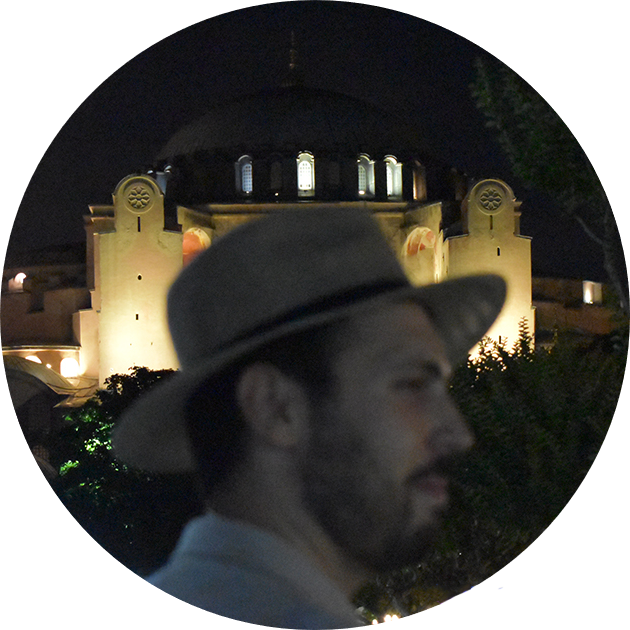
Receiving questions from travelers is part of my job, reflected in 1000 Frequently Asked Questions About Istanbul. From this full collection, I have selected the Top 120 Frequently Asked Questions About Istanbul, and under each selected question, you will find direct links that lead you easily to the full, detailed FAQ content.

Intro
As you might imagine, lining up questions and answers is easy. Making them useful is not. To achieve that, I searched across the internet—including platforms like Reddit, Digg, niche forums, travel communities, and discussion boards—to find the most organic, real-world questions people genuinely ask about Istanbul. Instead of scattering them randomly, I gathered and organized them under single, focused posts for each niche, ensuring that travelers can easily find practical, experience-based answers that truly help them understand the city before and during their visit.
You—the person reading this right now—are the sole reason this project exists. This is why I didn’t cut corners and why I chose depth over speed. This is why I put your interests first, even when it meant writing something painfully long, yet intentionally rewarding.
Throughout this process, my priorities stayed clear:
This content had to be user-friendly, readable, well-categorized, concise, practical, and genuinely beneficial. More importantly, it had to protect travelers from one of the biggest problems in modern tourism: misinformation.
Many travel companies and individuals rely on one powerful weapon—the lack of accurate, trustworthy information. Confusion sells. Uncertainty pushes people into rushed decisions. This guide exists to remove that pressure.
I can now confidently say that this collection covers the vast majority of questions you may encounter while planning—or experiencing—your trip to Istanbul.
You don’t need to meet me.
You don’t need to thank me.
Take the information. Stay safe. Stay independent.
Don’t let scarcity tactics or sales pressure push you toward decisions that don’t serve you.
Below, I explain the structure of 1000 Frequently Asked Questions About Istanbul and link each category clearly. I strongly recommend saving this page—on your phone or computer—so you can return to it whenever a question comes to mind.
10 FAQs pulled directly from the 40 Essential Istanbul Travel Questions & General FAQs
This section—the first part of the “Frequently Asked Questions About Istanbul” series—answers the 40 most common and fundamental questions travelers ask before and during their visit.
Its purpose is simple: to give you a solid starting point. These questions act as practical guidelines, offering typical solutions to recurring concerns so you can move through the city more smoothly and confidently. If you want to understand how Istanbul works before diving into details, this is where you should begin—within the 1000 Frequently Asked Questions About Istanbul.
40 Essential Istanbul Travel Questions & General FAQs
Where is Istanbul located?
Answer: Istanbul is located between Europe and Asia (technically Asia Minor), within the borders of Türkiye—known in the past as Turkey through a historically inaccurate translation. The city sits at the coordinates 41.013611°N, 28.955°E, right where two continents, two seas, and countless cultures meet.
Is Istanbul in Europe or Asia?
Answer: Today, it is a little bit of both. Istanbul has grown far beyond its original core. The historic heart of the city—the Old Town where most of the landmarks stand—lies on the European side. But the modern city stretches across the Bosphorus and lives equally on the Asian side. It is no longer a city that touches two continents; it belongs to both.
Is Istanbul in both Europe and Asia?
Answer: Yes. Officially and physically. Istanbul has grown far beyond its original core and is settled on both Europe and Asia (Asia Minor / Anatolia). It is the only major metropolis in the world that truly lives on two continents at once.
Is Istanbul the capital of Türkiye (Turkey)?
Answer: No. Istanbul once served as the capital of both the Roman and Ottoman Empires. Today, modern Türkiye is centered around Ankara, which has been the capital of the Turkish Republic since 1923. Istanbul remains the cultural, historical, and emotional heart of the country—but not the political one.
Why is Istanbul so famous?
Answer: Because it is layered. Hagia Sophia. The Blue Mosque. Palaces, churches, bazaars, and neighborhoods that feel like living museums. Add to this a modern urban rhythm, authentic avenues, a deeply rooted food culture, and its famously charming cats. Istanbul doesn’t offer one story—it offers thousands, all living on top of each other, as explained throughout the Istanbul Travel FAQs.
How old is Istanbul?
Answer: Its known history dates back to the 6th century BC, with the earliest settlements of Byzantion. That means people have been living here, building here, praying here, and arguing here for over 2,600 years—without interruption.
What was Istanbul called before?
Answer: Throughout history, the city has been known as: Byzantium, Augusta Antonina, Nova Roma, Constantinople, Kostantiniyye, Islambol, and finally Istanbul. Each name reflects a different era, empire, and identity.
Is Istanbul safe for tourists?
Answer: Yes. It is one of the safest major cities across both Europe and Asia for travelers. Like any large metropolis, it requires awareness—but fear is unnecessary.
Is Istanbul safe at night?
Answer: Yes. If someone says otherwise, it usually means they haven’t spent time in other major European cities—a point often clarified in the Istanbul Travel FAQs. Crime exists everywhere, but Istanbul’s night atmosphere is remarkably calm in comparison.
Is Istanbul good for first-time travelers?
Answer: Absolutely. You can never go wrong with Istanbul, in any season. It offers history, food, scenery, culture, and daily life all at once. There is always something to see, something to taste, something to discover.
👉 Full guide: 40 Essential Istanbul Travel Questions & General FAQs
Based on my personal experiences and research, I have prepared a comprehensive guide titled “USA to Istanbul: State-by-State Flight Times & Travel Insights” for travelers flying from the United States to Istanbul.
Arriving in Istanbul: 30 FAQs on Airports, Transport & First Steps
In this section, I focus entirely on arrival and first impressions—everything related to airports, transportation, and your first steps in Istanbul.
These questions are designed to address the exact moments when travelers feel the most uncertain: landing, navigating transport, and finding their rhythm in a city that can feel overwhelming at first. The answers are intentionally clear, readable, and solution-focused.
They may seem like small details, but unanswered details create stress. This section exists to leave no question marks behind.
Everything will work out—and I can already congratulate you on deciding to visit Istanbul. The city will reward you more than you expect, as you’ll discover through the 1000 Frequently Asked Questions About Istanbul.
10 FAQs from Arriving in Istanbul: 30 FAQs on Airports, Transport & First Steps
Which airport should I fly into in Istanbul?
Answer: Istanbul’s main airport (IST) is the default and most convenient choice for most travelers. However, if you are planning to stay on the Asian side, Sabiha Gökçen Airport (SAW) can make more sense.
How far is Istanbul Airport from the city center?
Answer: Roughly one hour. Traffic can shorten or extend that time, but one hour is a realistic average, as outlined in this Istanbul Arrival Guide.
How far is Sabiha Gökçen Airport from Sultanahmet?
Answer: Google Maps says about 1 hour 20 minutes. As a local, I’ll say this: plan for up to two hours. Sometimes it’s faster, sometimes not—but two hours is a safe expectation, even if you use the metro.
How do I get from Istanbul Airport to the Old City?
Answer: You have three main options:
- Taxi
- Public transport (metro)
- Airport shuttle buses
All are functional. Your choice depends on budget, comfort, and timing.
Is there a metro from Istanbul Airport?
Answer: Yes. The metro line connects directly from inside the airport. You don’t even need to go outside.
What is the cheapest way to get from the airport?
Answer: Airport shuttles, known as Havaist / Havabus. They serve many locations across the city and are the most economical option. They’re reliable and easy to use.
Is taking a taxi from the airport safe?
Answer: Yes. As long as the meter is visible on the mirror and running, you’re fine. If you ever suspect something unusual (rare, but possible), you can photograph the plate number and call 153 for local assistance.
How much is a taxi from the airport to Sultanahmet?
Answer: Approximately 1000–1500 Turkish Lira, depending on traffic and route.
Are airport shuttles reliable in Istanbul?
Answer: Yes. They run regularly, stay on schedule, and staff can help you confirm your stop.
Can I use public transport as a tourist in Istanbul?
Answer: Not only can you—it’s the best option. Public transport is:
Extremely well connected
Especially for time management, it’s far superior to taxis in many situations, as explained in this Istanbul Arrival Guide.
The cheapest
Often the fastest
👉 Full guide: Arriving in Istanbul: 30 FAQs on Airports, Transport & First Steps
As a local tour guide in Istanbul, I know that public transportation is one of the most popular topics. That’s why I wrote the most comprehensive guide for Istanbul, “Transportation Tips in Istanbul: How to Get Around the City.”
First-Time in Istanbul: 30 Curiosities & Frequently Asked Questions
A comprehensive Istanbul FAQ would be incomplete without addressing first-time visitors directly.
I genuinely envy you. I often wish I could rediscover this city again as if it were my first time.
This section responds to the most common first-time curiosities and uncertainties, including niche and often unspoken questions. At the same time, I’ve kept the scope broad enough to give you a strong overview—so within a single section, you can resolve many of your initial doubts and interests at once.
Think of this as your optimal head start.
10 FAQs from First-Time in Istanbul: 30 Curiosities & Frequently Asked Questions
What surprises tourists most about Istanbul?
Answer:
How vast it is. There is always more to see than time allows. Istanbul doesn’t run out of stories—you run out of days.
Is Istanbul chaotic or organized?
Answer:
It has its own rhythm. Not chaotic like some megacities in Asia, yet far from rigidly organized. Public transport runs on schedules, systems function, but life flows with instinct. You’ll adapt—and you’ll like it.
Does Istanbul feel like Europe?
Answer:
In places like İstiklal Street and around Galata, absolutely. Cafés, façades, street life—very European in spirit. Walk a few streets away and the tone shifts entirely.
Does Istanbul feel like the Middle East?
Answer:
Not particularly. Some flavors and traditions may feel familiar, but Istanbul stands apart. Even its food, while regionally connected, is deeper, richer, and more refined.
Is Istanbul culturally shocking?
Answer:
Not in the way people fear. Life here is not extreme or alien. Istanbul is unique, yes—but not intimidating. You won’t find another city like it, yet you’ll feel surprisingly at ease.
Will I experience culture shock in Istanbul?
Answer:
Every new place brings culture shock. In Istanbul, it arrives gently—and in a good way. It feels like discovery rather than disorientation.
Is Istanbul clean?
Answer:
Yes. For a city of this size, it must be. It’s crowded, but systems exist to keep it functioning and livable.
How long does it take to cross the city?
Answer:
From one end to the other: 3–4 hours.
Crossing the Bosphorus by ferry: about 20 minutes.
Is traffic really that bad in Istanbul?
Answer:
Only during rush hours—roughly 6:00–9:00 AM and 3:00–5:00 PM. Outside those windows, it’s manageable.
Do shops open early in Istanbul?
Answer:
Most open around 8:00–8:30 AM. Some start as early as 7:00–7:30.
👉 Full guide: First-Time in Istanbul: 30 Curiosities & Frequently Asked Questions
Money in Istanbul: 100 FAQs on Costs, Cash & Budgeting
We often say money isn’t important—but the effort we make to earn it certainly is.
That’s why this section exists.
I created one of the most comprehensive FAQ collections on money, costs, and budgeting in Istanbul, because this is where travelers are most vulnerable. Pricing confusion is the main playground of the travel industry, and misinformation here costs real value.
My goal was to make this section wide in scope, honest in tone, and manageable to read—without overwhelming you. With 100 carefully selected questions, nothing essential is left untouched.
I can only hope this content reaches you before poor information does, as part of the 1000 Frequently Asked Questions About Istanbul.
10 FAQs pulled directly from the Istanbul Money in Istanbul: 100 FAQs on Costs, Cash & Budgeting
What currency is used in Istanbul?
Answer: The Turkish Lira (₺) is the official and practical currency in use. While a few major attractions—such as Hagia Sophia—may also accept euros, daily life in Istanbul runs entirely on Turkish lira.
Should I bring cash or rely on cards in Istanbul?
Answer: Bring a decent amount of cash, depending on your shopping and spending expectations, but rely mostly on cards. This balance gives you flexibility without forcing you to carry large sums, as recommended in the Istanbul Money Guide.
Are credit cards widely accepted in Istanbul?
Answer: Yes. In fact, in some places—such as the Basilica Cistern—cash is not even accepted anymore.
Is it better to exchange money before arriving in Turkey?
Answer: It may feel convenient, but it is not very practical to carry around large amounts of cash. You can exchange money easily in Istanbul, often with better control over rates.
Where can I exchange money in Istanbul?
Answer: Exchange offices usually offer decent rates (always check Google’s current rate before exchanging). In my professional experience, the Grand Bazaar (Kapalıçarşı) consistently provides some of the best rates in the city.
Are ATMs easy to find in Istanbul?
Answer: Yes. There are many ATMs near public areas all across the city, and you can easily locate them via Google Maps.
How much does a meal cost in Istanbul?
Answer: A decent meal: ₺300–400
A better experience: ₺800–1500.
How much does street food cost?
Answer: Almost nothing. It is often the tastiest and most affordable option: ₺20–100, sometimes up to ₺150.
What is the daily budget for Istanbul?
Answer:
- Tight budget: ₺1000–1200
- Comfortable: ₺1500–2000
You can always spend more.
How much does a hotel cost?
Answer: From ₺850 to ₺10,000 per night, depending on standards.
👉 Full guide: Money in Istanbul: 100 FAQs on Costs, Cash, and Budgeting
Safety in Istanbul: 100 FAQs on Common Scams & Tourist Mistakes
I won’t pretend this section was easy to write.
As someone who loves this city and earns a living by the values my parents taught me, it’s disappointing—but necessary. Not everyone operates with the same principles. Scams are no longer limited to the street; they are well-established online and often disguised as “helpful” offers.
I can’t stop them. I can’t undo what’s already happened.
But I can expose them—clearly, honestly, and without filters.
This section exists to help you recognize scams, safety risks, and common tourist mistakes, so you can move through Istanbul with awareness rather than fear—one of the practical aims of the 1000 Frequently Asked Questions About Istanbul.
10 FAQs from the Istanbul Safety & Scams: 100 FAQs to Avoid Mistakes page
Is Istanbul safe for tourists in 2026?
Answer: Yes—and the only thing you should truly be worried about is your gym routine. You are going to have a lot of cheat meals here.
Is Istanbul safer than other major cities?
Answer: Yes. It is safer than most major cities, especially when it comes to Istanbul Safety & Scams, and concerns like having your phone pulled out of your hand in public—something that does happen in some European cities.
Are there dangerous areas tourists should avoid in Istanbul?
Answer: There are police forces in almost every corner of Istanbul. There is no need to pinpoint “dangerous zones” the way you would in some other major cities. That said, always watch your surroundings anywhere in the world, under any circumstances—including Istanbul.
Is Sultanahmet safe at night?
Answer: Yes. It is one of the safest parts of Istanbul.
Is Taksim safe for tourists?
Answer: Yes again, thanks to extensive precautions and constant police presence.
Is the Asian side safer than the European side?
Answer: It is just as safe. As a local, I have never noticed any difference. Crowded squares on both sides are always protected with extra precautions.
Is public transport safe in Istanbul?
Answer: Yes. Still, stay alert—because you never know. Personally, I have never experienced anything negative. From time to time, I hear about pickpocketing, especially on trams when they are crowded. Stay aware and nothing will happen.
Are pickpockets common in Istanbul?
Answer: Not really. I have heard of only a few cases, mostly on trams during busy hours. If people with bad intentions exist, they wait for crowded moments in public transport, just like anywhere else in the world. Every corner of the city—including public transportation—is monitored 24/7.
Where do pickpockets usually operate in Istanbul?
Answer: I would not say you should fear any specific place. Do not drop your guard anywhere. If you want to be extra cautious, pay attention on Tram T1, as it is the busiest line during the day.
How can I avoid pickpocketing in Istanbul?
Answer: By staying alert, especially when entering crowded spaces in a rush. Those are the moments when defenses drop, and that is what people with bad intentions look for.
👉 Full guide: Safety in Istanbul: 100 FAQs on Common Scams & Tourist Mistakes
Sights & Museums: 100 FAQs for Exploring Istanbul’s History
This section—focused on sights, museums, and historic sites—is just as important as any other.
Exploring and explaining Istanbul is what I do best. I’ve been guiding in this city for over a decade without a single day of exhaustion. Even in my personal time, I continue visiting museums, exhibitions, and historic spaces. My connection to them is personal and ongoing.
This FAQ section reflects that experience and forms part of 1000 Frequently Asked Questions About Istanbul, gathering the questions I answer daily—but this time, not just for my guests’ memories, but for public benefit.
10 FAQs from the Sights & Museums: 100 FAQs for Exploring Istanbul’s History
What are the must-see sights in Istanbul?
Answer: Not the sights as advertised. What most travelers are shown is barely one percent of the real Istanbul—and that is intentional. If people realized how vast, layered, and accessible the remaining ninety-nine percent truly is, they would question why they are spending their entire budget on that tiny fragment. The city you are marketed is only a surface. The city that exists is far larger, deeper, and more generous than what is sold to you.
Which attractions should I prioritize in Istanbul?
Answer: It truly depends on your interests. There is no universal list that fits everyone. Go through the questions on my website—they are designed to help you understand your own direction before you arrive. They are not there to sell you places, but to help you recognize what kind of traveler you are. That alone already determines what you should prioritize.
Can I see Istanbul’s highlights in one day?
Answer: If by “highlights” you mean Hagia Sophia, Basilica Cistern, the Blue Mosque, and Topkapı Palace—yes, absolutely. With the right structure and flow, it is perfectly possible.
How many days are needed for Istanbul’s main sights?
Answer: At least three to four days. That is what I recommend to every single guest who asks me this honestly.
Should I plan museum visits in advance?
Answer: No, not really. Museums will be there when you arrive. There is practically no advantage in booking in advance. In fact, you cannot officially pre-book museums such as Hagia Sophia or Topkapı Palace because there is no official website selling tickets or tours on behalf of these institutions.
Do Istanbul museums sell out?
Answer: No. They never have. There is no scarcity factor that should push you into booking anything online. Museums in Istanbul expect you at their own ticket offices—inside the city, not on the internet—so always check reliable sources like the Istanbul Sightseeing FAQ Museums.
Are lines long at major attractions?
Answer: I know what sales pages claim. And I know why they do. There are no extraordinary lines at major sites in Istanbul. The fear is manufactured so that “skip-the-line” products can exist. You are being scared into buying something that is not truly necessary. That is the reality.
What time should I visit Hagia Sophia?
Answer: Mornings are ideal. Late afternoons are also suitable.
Is Hagia Sophia free to enter?
Answer: No. Visitors enter the upper galleries—the second floor—and that area requires an admission fee. Currently it is 25 Euros per person. I always share updated prices on my blog and across my social channels.
Do I need a ticket for Hagia Sophia in 2026?
Answer: Yes, if you are visiting. If your intention is to pray, it is completely free.
👉 Full guide: Sights & Museums: 100 FAQs for Exploring Istanbul’s History
I also keep my article titled ‘Istanbul Museum Entrance Fees 2026’ up to date.
100 FAQs on Istanbul Mosques, Religion & Cultural Etiquette
Istanbul cannot be understood without its mosques, religious life, and cultural etiquette.
Unfortunately, misinformation thrives here. Some people even sell tickets for places like the Blue Mosque—which is completely free. This section addresses that confusion head-on.
From visiting rules to religious basics, from cultural behavior to common pitfalls, this collection prepares you for details that may seem small but make a huge difference in experience and respect—exactly what the 1000 Frequently Asked Questions About Istanbul is designed to do.
It doesn’t just inform you—it prepares you.
10 FAQs from the 100 FAQs on Istanbul Mosques, Religion & Cultural Etiquette
Are mosques in Istanbul open to tourists?
Answer: Yes. As long as you stay outside prayer times, you are more than welcome to visit mosques in Istanbul. Local mosques offer living lessons on the spiritual side of the city, wrapped in extraordinary architecture.
Can non-Muslims enter mosques in Istanbul?
Answer: Yes, non-Muslims can enter mosques in Istanbul. Please be mindful of daily prayer schedules. During prayer times, most major mosques—such as the Blue Mosque or Süleymaniye Mosque—are closed to visitors. Right after the prayers end, visitors may continue their visits.
Are mosques free to enter in Istanbul?
Answer: Yes. Please be aware that there are some offers online selling “tickets” to the Blue Mosque, which is completely free and does not require any admission fee or ticket at all.
What is the dress code for mosques in Istanbul?
Answer: Dress modestly by covering the major parts of your body. Short shorts and sleeveless shirts are not allowed. Women are required to cover their hair with a headscarf.
Do women need to cover their hair in mosques?
Answer: Yes. All mosques require women to cover their hair. It does not have to be perfectly strict, but covering most of the hair with a scarf is sufficient.
Can men wear shorts in mosques?
Answer: No, not if they are above knee level. Shorts are accepted only if they extend below the knees.
Are scarves provided at mosque entrances?
Answer: In most mosques, such as the Blue Mosque, you can borrow scarves at the entrance. At Hagia Sophia, however, you must purchase them if you do not already have one. More details are available in the Istanbul Mosque & Culture Guide.
Are shoes allowed inside mosques?
Answer: No. Shoes must be removed before entering mosques, with one exception: the upper galleries (second floor) of Hagia Sophia, which function as a visiting area and allow shoes.
Where do I leave my shoes in a mosque?
Answer: At the Blue Mosque, you may carry them with you in a bag or leave them in the wardrobes inside. The system is similar in most other mosques.
Can I take photos inside mosques?
Answer: Yes, you may take photos freely. Please remember that mosques are active places of worship, and prayers may be taking place while you are visiting. Be respectful of people’s privacy.
👉 Full guide: 100 FAQs on Istanbul Mosques, Religion & Cultural Etiquette
Istanbul Food & Dining: 100 FAQs on Cuisine & Daily Life
If you’re visiting Istanbul—even for a day—you should not skip this section.
Food, dining, and even the smallest street snacks are not just about eating well here; they are one of the clearest windows into daily life in Istanbul. That’s why I created this collection of FAQs focused entirely on cuisine, dining habits, and how locals actually eat.
You’re lucky to have found this content, because once again, I’ve gathered the questions travelers usually struggle to ask—or don’t know how to ask—under one roof. You won’t need a guidebook telling you where to eat or someone pushing you toward a “best” list. This section gives you the understanding to decide for yourself.
As a local, I pushed myself hardest here—because if there’s one thing we take pride in as Turkish people, it’s our food, a subject thoroughly explored in the 1000 Frequently Asked Questions About Istanbul.
10 FAQs from the Istanbul Food & Dining: 100 FAQs on Cuisine & Daily Life
What is traditional Turkish food like?
Answer: Traditional Turkish food is honest, seasonal, and built on balance rather than shock. It is not about overpowering flavors; it is about harmony. Olive oil dishes from the Aegean, rich stews from Central Anatolia, grilled meats from the southeast, seafood from the Bosphorus—each region speaks its own language. As a guide who eats with locals every single day, I can tell you this: real Turkish cuisine is slow, warm, and deeply connected to daily life. It is food that feeds both body and memory.
What should I definitely eat in Istanbul?
Answer: You should try:
- A proper kebab plate (not a fast-food wrap)
- Lahmacun with parsley and lemon
- Börek from a neighborhood bakery
- Menemen for breakfast
- Simit from a street vendor
- A home-style stew like taze fasulye or imam bayıldı
- And at least one fish sandwich by the water
My advice: don’t chase “top 10 lists” online. Follow locals, small shops, and places that look ordinary. Istanbul’s best food rarely shouts.
What is a typical Turkish breakfast?
Answer: A real Turkish breakfast is a table, not a plate. White cheese, kashar, olives, tomatoes, cucumbers, honey, clotted cream, eggs, bread, jams, menemen, börek, and endless tea. It is not rushed. It is social. Breakfast here is not a meal—it is a ritual.
Where can I try a real Turkish breakfast?
Answer: Avoid places advertising “famous breakfast.” Go to neighborhoods like Beşiktaş, Kadıköy, Üsküdar, or local tea gardens. Even better: small kahvaltı salons run by families. If you see construction workers and elderly locals inside, you are in the right place.
Is Turkish food spicy?
Answer: No. Turkish cuisine is aromatic, not spicy. We use pepper, cumin, sumac, mint—but heat is not dominant. Only in the southeast (Gaziantep, Urfa, Adana) does spiciness rise. In Istanbul, food is gentle and balanced.
Is Turkish food similar to Middle Eastern food?
Answer: There are shared roots, but Turkish food is more diverse and less heavy on spices. It leans toward clarity and structure. You taste ingredients, not just seasoning.
Is Turkish cuisine similar to Greek food?
Answer: Yes, especially in the Aegean region. Many dishes share names, methods, and soul. The difference is cultural framing. Same sea, same olive trees, different stories.
What is kebab in Turkey really like?
Answer: Kebab here is not a fast-food wrap. It is a craft. Grilled meats, skewers, clay ovens, slow roasting. Each region has its own philosophy. Real kebab is eaten on a plate, with bread, yogurt, vegetables, and time.
How many types of kebab are there in Turkey?
Answer: Dozens. Adana, Urfa, Iskender, Testi, Cağ, Beyti, Şiş, Ali Nazik, Tandır… Every region invented its own identity on fire.
What is döner and how is it different from shawarma?
Answer: Döner is marinated meat cooked vertically, sliced thin. Shawarma is similar in technique but different in spice profile and accompaniments. Döner in Turkey is lighter, less greasy, and served simply—bread, meat, maybe yogurt.
👉 Full guide: Istanbul Food & Dining: 100 FAQs on Cuisine & Daily Life
Istanbul Neighborhood Guide: 100 FAQs on Districts & Areas
Many people visit a few museums and say, “Yes, I’ve been to Istanbul.”
But how many of them actually met Istanbul?
Meeting Istanbul isn’t about buying a city pass or skipping ticket lines. It’s about understanding where life happens. That’s why this section exists—and why it focuses entirely on neighborhoods and districts.
At some point, someone had to step forward and organize this subject properly, in a way that’s manageable, honest, and genuinely useful. Only then can you move beyond the surface and experience the city differently from those who rushed through it—and are still doing so.
There’s no need for extra research or scattered browsing anymore—1000 Frequently Asked Questions About Istanbul finally gives you something online that’s worth your time and answers the questions you didn’t even realize you had.
10 FAQs from the Istanbul Neighborhood Guide: 100 FAQs on Districts & Areas
Which neighborhood is best to stay in Istanbul?
Answer: There is no single “best” neighborhood—there is only the right one for your travel style. If this is your first time and your focus is history, Sultanahmet makes life easy. If you want to feel the pulse of the city, Galata, Karaköy, or Cihangir will feel more alive.
Is Sultanahmet only for tourists?
Answer: Mostly, yes. Locals rarely live there anymore. It’s a historic stage designed for visitors. That doesn’t make it bad—it just means it’s not everyday Istanbul.
What is it like to stay in Sultanahmet?
Answer: You wake up next to Hagia Sophia and the Blue Mosque. It feels cinematic. You can walk to everything. But after sunset, the area becomes calm, almost empty. It’s beautiful, but a bit detached from real city life.
Is Sultanahmet quiet at night?
Answer: Very. After the tour buses leave, the streets fall silent. Some people love this peace. Others feel isolated.
Is Galata a good area for visitors?
Answer: Excellent. Galata balances history with modern life. You’re surrounded by cafés, boutiques, bakeries, galleries—and real residents. It feels lived-in, not staged.
What is the difference between Galata and Taksim?
Answer: Galata is intimate and layered. Taksim is wide, busy, and energetic. Galata whispers; Taksim speaks loudly.
Is Beyoğlu safe for tourists?
Answer: Yes. It’s one of the most walked parts of the city. Like any major urban center, you stay aware, but millions pass through every day without issues.
What is Karaköy known for?
Answer: Karaköy is transformation. Once a port and trade district, now a creative hub. It’s known for coffee culture, modern eateries, bakeries, and a mix of old workshops with new design.
Is Karaköy good for food lovers?
Answer: It’s one of the best areas in the city for food exploration. From fish sandwiches to fine dining, everything lives side by side.
Is Karaköy better than Sultanahmet?
Answer: For living the city—yes. For pure sightseeing convenience—no. Karaköy offers Istanbul as it is, not as it’s presented.
👉 Full guide: Istanbul Neighborhood Guide: 100 FAQs on Districts & Areas
100 FAQs on Istanbul Weather, Seasons & What to Pack
Weather can be your best ally—or quietly ruin your day in Istanbul.
If your time here is limited, this becomes even more critical. Knowing what to expect before arriving isn’t easy, despite the millions of pages written on the topic. Most of them fail for the same reason: they’re designed to sell tours, services, or activities—not to prepare you realistically.
They all say the same thing: “Bring an umbrella.”
Well—thank you.
That’s exactly why I wrote this section—something practical, honest, and genuinely helpful about weather, seasons, and what to pack for Istanbul, based on how the city actually behaves, not how it’s marketed—forming part of the 1000 Frequently Asked Questions About Istanbul.
10 FAQs from the 100 FAQs on Istanbul Weather, Seasons & What to Pack
What is the weather like in Istanbul throughout the year?
Answer: Istanbul lives all four seasons properly. Spring is fresh and green, summer is bright and warm, autumn is golden and calm, and winter is grey, moody, and occasionally snowy. It’s a city that changes its personality with the weather, and each season shows you a different Istanbul—perfectly detailed in the Istanbul Weather & Packing Guide.
When is the best month to visit Istanbul?
Answer: Personally, I always say May and October. The city is alive, the weather is gentle, crowds are manageable, and you can walk for hours without feeling punished by heat or rain.
Is spring a good time to visit Istanbul?
Answer: Absolutely. March to May is one of the most beautiful periods. Trees blossom, parks wake up, the air is light. It feels like the city is stretching after winter.
Is summer too hot in Istanbul?
Answer: It can be, especially in July and August. Istanbul isn’t a desert-hot city, but humidity makes it heavy. Long sightseeing days under the sun can be exhausting.
How hot does Istanbul get in July and August?
Answer: Usually between 28–35°C (82–95°F), but with humidity it feels hotter. Shade becomes your best friend, and timing matters more than anything.
Is autumn a good season to visit Istanbul?
Answer: It’s my favorite season. September and October are perfect—warm days, cool evenings, softer light, calmer streets. Istanbul feels poetic in autumn.
Is winter worth visiting Istanbul?
Answer: Yes, if you enjoy atmosphere more than sunshine. Winter shows you the real rhythm of the city: locals, cafés, fog on the Bosphorus, quiet mosques.
Does it snow in Istanbul?
Answer: It does, but not heavily or constantly. When it happens, the city transforms. Snow in Sultanahmet or along the Bosphorus is unforgettable.
How cold does Istanbul get in winter?
Answer: Usually between 0–10°C (32–50°F). It’s rarely extreme, but damp cold can feel sharper than numbers suggest.
Is Istanbul rainy?
Answer: Moderately. It’s not a tropical rain city, but showers are part of life, especially in autumn and winter—covered in the Istanbul Weather & Packing Guide.
👉 Full guide: 100 FAQs on Istanbul Weather, Seasons & What to Pack
Istanbul Tours vs. Solo Travel: 100 FAQs to Help You Decide
Before writing this section, I looked around—and unsurprisingly, everyone online is suddenly an expert on tours, audio guides, guided experiences, and self-guided travel in Istanbul.
As someone who has been actively guiding in this city for over ten years—six days a week—I’ve never seen so many “experts” who rarely set foot on the streets they write about. What they are experts in is SEO. That much is clear.
I’ve always put education, experience, and judgment first, trusting that the rest would follow. That mindset hasn’t changed—and it’s the same principle behind the 1000 Frequently Asked Questions About Istanbul.
This is why I created a clear, no-nonsense FAQ collection comparing guided tours and solo travel in Istanbul, breaking down what actually matters—without sales pressure, exaggeration, or agenda.
10 FAQs from the Istanbul Tours vs. Solo Travel: 100 FAQs to Help You Decide
Do I need a guide in Istanbul?
Answer: You don’t need a guide to enter Istanbul—but you need one to truly read it. You can walk, photograph, and admire on your own. But understanding this city, with its layers of empires, religions, and daily life, is another level. A guide doesn’t replace your curiosity; it deepens it.
Can I explore Istanbul completely on my own?
Answer: You can explore it physically, yes. But “completely” is a strong word for a city that has been rewritten for 2,000 years. On your own, you’ll see surfaces. With guidance, you begin to see connections.
What are the benefits of having a local guide in Istanbul?
Answer: Context, flow, and meaning. A local guide connects places into a story, saves you from logistical friction, and helps you feel the city instead of just visiting it.
Is Istanbul easy to understand without a guide?
Answer: Visiting is easy. Understanding is not. Istanbul isn’t linear—it’s layered. Without someone to translate those layers, much of what you see stays silent.
Do guided tours save time in Istanbul?
Answer: Very much. Knowing when to enter, which route to walk, and what to skip can save hours every day.
Do guides help skip lines in Istanbul?
Answer: In many major sites, yes—especially ticket lines. Security lines remain for everyone, but a guide removes unnecessary waiting.
Are guided tours worth the money in Istanbul?
Answer: If your goal is depth rather than checklist tourism, absolutely. You’re not paying for walking—you’re paying for understanding.
What do guides explain that I would miss on my own?
Answer: Symbolism, contradictions, invisible histories, and the “why” behind what you see. A building becomes a story. A ruin becomes a decision made centuries ago. Otherwise, you can read everything you need to know on Wikipedia.
Is Istanbul’s history hard to understand without context?
Answer: Very. Roman, Ottoman, and modern layers sit on top of each other. Without context, they feel like separate fragments instead of one continuous story.
Can I learn Istanbul’s story just from signs and plaques?
Answer: You’ll get dates and names. You won’t get meaning. Plaques inform; guides interpret.
👉 Full guide: Istanbul Tours vs. Solo Travel: 100 FAQs to Help You Decide
This guide can help you decide between ‘Audio (Self) Guided Tours vs. Real Guided Tours in Istanbul’.
100 FAQs on Istanbul Connectivity, SIMs & Real-Life Scenarios
Real-life scenarios don’t stop at the airport—and they don’t wait politely for guidebooks to catch up.
Questions about connectivity, SIM cards, lost phones, delays, sudden changes, or unexpected situations are part of everyday travel life. Yet most content online is fragmented, distracting, and poorly organized.
This section exists to fix that.
I gathered, structured, and answered FAQs on connectivity, special situations, and real-life travel scenarios—not just offering one solution, but alternatives, backups, and ways to adapt when plans change.
It wasn’t easy to collect, organize, and resolve all of this efficiently. But the result was worth it—and this FAQ project simply wouldn’t be complete without it, as part of the 1000 Frequently Asked Questions About Istanbul.
10 FAQs from the 100 FAQs on Istanbul Connectivity, SIMs & Real-Life Scenarios
Do I need a SIM card in Istanbul?
Answer: You don’t have to, but I strongly recommend it. Istanbul is a city that rewards spontaneity—changing plans, checking ferry times, finding a café you just heard about. Mobile data gives you freedom. Without it, the city can feel heavier than it needs to be.
Where can I buy a SIM card in Istanbul?
Answer: You can buy one at the airport, in shopping malls, or in official stores of Turkish providers on major streets. I always suggest buying from an official shop rather than a random kiosk. You’ll get clearer packages and fewer surprises.
Are airport SIM cards overpriced?
Answer: Yes, usually. They’re convenient, but you pay for that convenience. If you’re staying more than a day or two, you’ll find better value in the city.
Which mobile provider is best in Turkey?
Answer: Turkcell has the strongest coverage, especially in crowded or historic areas. Vodafone and Türk Telekom work well too, but Turkcell is the most reliable across the city.
How much data do I need in Istanbul?
Answer: For maps, messages, translation, and light browsing, 5–10 GB is plenty for a week. If you stream a lot or upload videos, aim higher.
Is Wi-Fi widely available in Istanbul?
Answer: Yes, in hotels, cafés, restaurants, and many public places. But it’s not always stable, and you can’t rely on it while moving around—so check Istanbul FAQs SIMs WiFi for guidance.
Do cafés offer free Wi-Fi?
Answer: Most do, especially in tourist and central areas. Some ask for a phone number or give you a small password on the receipt.
Is public Wi-Fi safe in Istanbul?
Answer: Like anywhere else in the world—use it carefully. Avoid banking or sensitive logins on open networks.
Can I use my home SIM card in Turkey?
Answer: Yes, if your provider allows roaming. But for most travelers, it becomes expensive very quickly.
Is roaming expensive in Turkey?
Answer: For many countries, yes. Turkey is outside most “free roaming” zones, so check your plan carefully.
👉 Full guide: 100 FAQs on Istanbul Connectivity, SIMs & Real-Life Scenarios
Conclusion
I hope this work truly meets your needs—and rewards you in every possible way when you visit my city.
I’ve always cared deeply about the questions travelers ask, because every good question opens a new door to understanding Istanbul. I don’t honestly believe that everything has been covered—no city like this can ever be fully contained—but if there are still corners I’ve missed, I welcome that. You can always reach me through my social channels, my blog, or by leaving a comment under this article.
Guiding is my main way of living, but I’ve deliberately shaped my schedule to create content that cannot be found anywhere else—content built on experience, responsibility, and respect for the traveler. This philosophy is exactly what led to 1000 Frequently Asked Questions About Istanbul. If you feel I have something valuable to offer, stay tuned. There’s more to come.
Until then, thank you for reading—and for giving me your time.
Oğulcan Özdil
Founder & Licensed Tour Guide