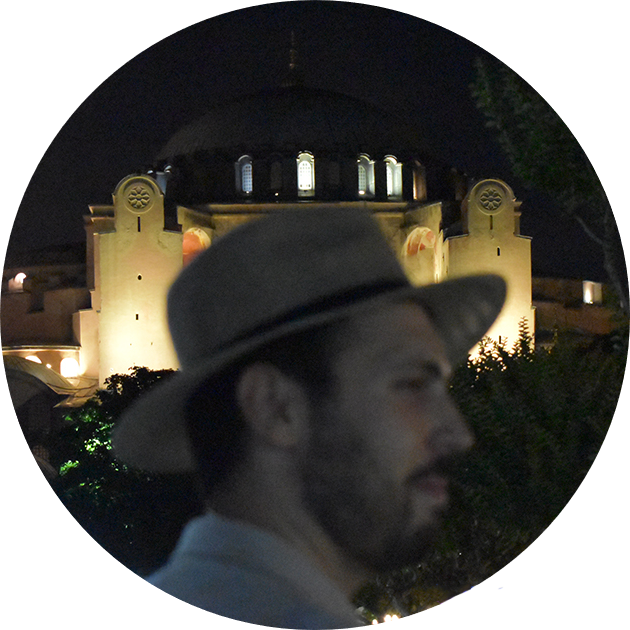
Have you ever wondered, “What’s there to see on the Asian side of Istanbul?” or “What can I do on the Asian side of Istanbul?” A short while ago, I published an article about Kadıköy, which is located on the Asian side of Istanbul. Suddenly, people started sending me emails full of questions and suggestions. So, I made it my mission not to leave any topic out, and now I’m back with a special article on “What to Do in Üsküdar“. As a local tour guide who was born and raised here, I wanted this article to serve as a guide offering solid recommendations and to explain how the locals enjoy this part of Istanbul.
The article begins with with a tool that creates a personalised itinerary for Üsküdar just for you and an ideal day-out scenario in Üsküdar, before moving on to targeted suggestions for a clearer narrative; this way, you can pick the ideas you like and turn them into memories. From the must-see and must-do highlights in Üsküdar to what to eat there. As I’m also a local historian, I’ve aimed to fill in some of the gaps in Üsküdar’s history.
In short, you’ll find all the answers about Üsküdar first-hand in this article. Let’s get started!

Your Üsküdar Day Planner
Answer a few questions · Get your personalised plan
Plan Your Perfect Üsküdar Visit in a Few Steps
- Choose how much time you can set for exploring Üsküdar,
- Select the reason why you are visiting this site,
- Choose who you’d like to explore this place with,
- Choose the pace at which you want to explore.
Done! This programme not only helps you put together a reliable itinerary for your visit to Üsküdar, but also includes tips known only by locals.
If you’d like to find out more, I’ve put together a full-day itinerary below. Here, you can find out in detail how best to explore Üsküdar.
A Local Guide’s Roadmap
Your Ideal Day in Üsküdar
9 stops · Asian side · Genuine local knowledge
An Ideal Day in Üsküdar
When comparing the districts of Istanbul, Üsküdar retains a calmer and more subtle atmosphere during the day. Of course, alongside this distinctive character of this part of the city, it can also get quite crowded from time to time. Generally, during the week, people use this area as a gateway to other parts of Istanbul. Ferries operate very frequently in this part of the city, transporting passengers to various destinations across Istanbul. These days, you can even reach this wonderful, must-visit location from the European side by metro.
Before offering any advice on Üsküdar, I looked into what people had written on the subject. As a tour guide who has lived here and shown visitors around this part of the city on countless tours, I found the results I came across rather nonsensical. Then, when I checked who had written the articles, it all became clear. That’s because everything written had been penned by foreigners and certainly did not reflect the truth.
Let me explain to you how a real day can be organised using genuinely local knowledge.
Sailing to Çengelköy Ferry Terminal
Üsküdar isn’t actually just the city centre. In everyday life, the city centre is a place where the majority of people are either complete strangers to the city or locals just passing through. For this reason, we are not starting our city tour directly in the centre of Üsküdar.
Get up early and skip the hotel breakfast. Because we’re heading to Çengelköy, one of Üsküdar’s most beautiful and peaceful neighbourhoods. All you need to do is take the first ferry from Eminönü and get off at the Çengelköy ferry terminal. You can check the current timetable here. If you miss the first ferry, you can go to Üsküdar and take one of the buses heading to Çengelköy from there.
As soon as we step off the ferry, our first stop is breakfast. ‘Breakfast – Çengelköy Tarihi Çınaraltı’, which I always choose for breakfast whenever I visit and recommend to those around me, is located very close to the ferry pier. We enjoy our breakfast with a cup of hot tea whilst admiring the Bosphorus from an angle that tourists haven’t seen before. Life is lovely here! You can also choose this place in winter as it has indoor areas. This and my other recommendations are definitely not part of any promotional partnership.
Beylerbeyi
If you really want to immerse yourself in life on the Asian side of Istanbul, you might prefer to head to ‘Kuleli’, ‘Vaniköy’ or even ‘Küçüksu’. But in my itinerary, to make the most of your first visit here, we’ll be heading to Beylerbeyi.
With this step, we’ve got a bit closer to Üsküdar. If you have any questions about transport, you can access the Istanbul Transport Guide I’ve put together for my guests here.
This was actually the point that other writers had missed. They had simply compiled a list of locations they’d found online. When you look at the bigger picture, it’s simply not possible for someone—even if they set aside a whole day—to visit every single location on that list and experience everything it has to offer. So, with your next step in mind, I invite you to explore Beylerbeyi.
Hamid-i Evvel Mosque
Our first stop here is a mosque known as the ‘Hamid-i Evvel Camii’. Dating from the 18th century, this charming mosque was commissioned by the Ottoman Sultan Abdulhamid I in memory of his mother, Rabia Şermi Sultan.
When people think of Istanbul’s mosques, the Blue Mosque immediately springs to mind, but the city has many other historic mosques. Since you’re here anyway, I’d recommend you visit the mosque.
The building features details that will surprise you, in keeping with its architectural style. You will also notice the Western influences in the architecture of this mosque, and its location right on the shores of the Bosphorus will make you feel one step closer to understanding the city from the courtyard in front of it.
Beylerbeyi Palace
When people hear the term ‘Ottoman palaces in Istanbul’, they usually assume that these consist solely of the Topkapı and Dolmabahçe Palaces. In fact, there are many Ottoman palaces and mansions to visit in Istanbul. Perhaps one of the most exquisite of these is the Beylerbeyi Palace.
Commissioned by Sultan Abdülaziz between 1861 and 1865, this palace will take you to places that the usual tourist routes tend to overlook. This site, which was typically used by Ottoman sultans as a summer palace and to host foreign heads of state, is notable for its collections and the architectural style it represents.
I would definitely recommend setting aside some time to explore this place during your visit, which will probably only take an hour. Once you’ve finished your visit, I’ll take you on a flight experience in Istanbul.
Zipline
We are situated amidst magnificent gardens, surrounded by nature, and closer to Istanbul than ever before. Indeed, this is one of the few places that truly captures the spirit of Istanbul. With its stunning views and excellent facilities, this place is sure to win you over.
The main reason we came here is the Zipline. If you’ve never come across it before, it’s an activity where you slide along a steel cable stretched from a higher point to a lower one, wearing a safety harness and using a roller to slide using your own body weight.
Rather than just visiting museums and mosques, this activity—which is perfect for those looking for something a bit more adventurous—offers a visually rich and thoroughly exciting experience. If that doesn’t appeal to you, you can use this spot as a place to take photos and relax, or if you’re feeling peckish, you can stop here for lunch. I’ll be sharing a lunch spot later on in this guide.
Üsküdar
Another point where my views differ from those expressed in articles about Üsküdar concerns Çamlıca and Çamlıca Hill. I generally do not recommend this area to guests visiting for the first time. There are many reasons for this, but in short, I must say that it is not in your best interests. Getting to Çamlıca is difficult (especially if you’re using public transport), and once you’re there, all you’ll see is the Çamlıca Mosque, perhaps a climb up the tower (which isn’t actually very close to the mosque), and at most one or two nice photos (and that’s only if the weather’s good).
Amidst all these thoughts, we arrived in the centre of Üsküdar. Our first stop here is, of course, the ‘Mihrimah Sultan Mosque’. Commissioned in the 16th century for Mihrimah, the daughter of the Ottoman sultan Suleiman the Magnificent and his wife Hürrem Sultan, this mosque is one of Istanbul’s must-see mosques.
While you’re here, you can take a look at the Üsküdar bazaar just behind you and visit the ‘Valide-i Cedid Mosque’, another important landmark in this neighbourhood. Built by Sultan Ahmed III in honour of his mother at the beginning of the 18th century, this mosque will not only captivate you with its architecture but will also allow you to explore the city’s traditional market, giving you a sense of the classic city centre.
Lunch in Üsküdar
I know we’ve been all over the place and tried to get to know the city. Although this may seem tiring, once you’ve followed the practical steps I’ve outlined here and finished the day, you’ll see just how much you’ve actually achieved. So you’ve earned this lunch (or late lunch).
The name of the place I’m taking you to is ‘Nevmekan Sahil’. Here, you can find classic Turkish dishes as well as Western cuisine at reasonable prices. From salads to main courses, and from desserts to drinks, everything is available here. What’s more, if you’re travelling with children or teenagers, this is the perfect place.
It has activity areas for children, a library and a large garden.
The Ottoman Imperial Princesses and Queen Mothers Museum
The Üsküdar Hanım Sultanlar Museum is a unique museum of wax dolls and costumes that brings Ottoman history to life in a truly extraordinary and aesthetically pleasing way. It is located within Nevmekan Sahil (on the lower floor), where we had lunch.
This exhibition showcases miniature dolls of women who shaped history—such as Hürrem Sultan, Kösem Sultan, Mihrimah Sultan and Hatice Turhan Sultan—all crafted with meticulous attention to detail. The outfits worn by the dolls you will see here have been crafted with extraordinary craftsmanship, following meticulous research into the period’s court fabrics, sewing techniques, jewellery and headdresses.
Whilst this place is likely to appeal to families with children, it is actually of interest to adults as well. If you have previously visited Topkapı Palace or, as we did on this tour, Beylerbeyi Palace, this could serve as a complementary visit to help you understand the court attire and fashion of the period.
The Maiden’s Tower and Sunset
Although there is no consensus on its exact date of construction, the Maiden’s Tower is one of the oldest structures in Istanbul’s history. As the day drew to a close, it would have been unthinkable to leave Üsküdar without visiting this tower.
Used at various times as a castle, a lighthouse, a watchtower, a quarantine station and, for a time, even a place of exile for retired officers, this historic building is rich in detail and offers visitors some of the most fascinating and striking views of Istanbul. All you need to do to get there is hop on the ferry from the shore that will take you to the tower, and bid a fitting farewell to the day you’ve spent on the Asian side of Istanbul from the top of the tower.
For the rest of the day, you could explore Kadıköy—my home town—on the Asian side, or take a ferry from the pier on the Üsküdar waterfront to Eminönü, Karaköy or Beşiktaş.
The 10 Best Things to See in Üsküdar
- Kuzguncuk Houses
- Fethipaşa Grove
- Hababam Sınıfı Museum
- Uskudar Fishermen’s Market
- Hamid-i Evvel Mosque – Beylerbeyi
- Beylerbeyi Palace
- Mihrimah Sultan Mosque
- Valide-i Cedid Mosque
- The Ottoman Imperial Princesses and Queen Mothers Museum
- The Maiden’s Tower
Notes:
You can find the locaiton of “Kuzguncuk Houses” here.
This one is for “Fethipaşa Grove“.
It is recommended that you watch the Turkish film series ‘Hababam Sınıfı’ before visiting this museum.
You may also find the location of “Uskudar Fishermen’s Market” here.
Brief History of Üsküdar
Üsküdar’s history dates back to about 1200 BC. In pre-Christian times, the city went by the name Chrysopolis, meaning “Golden City,” and some believe that it got this name because of its golden appearance as it reflected the light of the setting sun; others say it received this title because it stored Persian gold. Darius, Alcibiades, and Alexander the Great were among those who visited.
During the Roman Empire, the city was referred to as Scutarion, which means “Shields” because the shield-bearing infantry soldiers were stationed in the city. A great battle took place in the 4th century between Emperor Constantine and Licinius, who was his rival, following which Constantine founded the city of Constantinople, just across the sea. During the Eastern Roman era, the hills around the city featured imperial villas and monasteries, while a tower called Maiden’s Tower collected tolls for passing ships on the Bosphorus.
The arrival of the Ottomans was a gradual process. The raiding forces under the command of Osman Gazi had reached Üsküdar by 1304–05; the decisive turning point, however, came with the Battle of Pelekanon in 1329. In this battle, Orhan Gazi defeated Emperor Andronikos III, bringing the entire Anatolian coastal strip stretching from Gebze to Üsküdar under Ottoman control.
Long before the conquest of Constantinople in 1453, Üsküdar had completed its transformation from an Eastern Roman border town into an Ottoman settlement and continued to develop its enduring identity as a key departure point for caravans and armies setting out from Anatolia towards the east.
Frequently Asked Questions on Üsküdar
What is Üsküdar famous for?
Üsküdar is known for its natural urban lifestyle compared to other parts of Istanbul. It is very popular amongst locals due to the presence of the Maiden’s Tower, the Mihrimah Sultan Mosque and many other historical attractions. Furthermore, the city skyline, which offers panoramic views from places such as Çamlıca Hill in Üsküdar, makes this area completely unique and turns it into a natural terrace of Istanbul.
Is Üsküdar worth visiting?
Absolutely! If you want to explore Istanbul, you simply can’t do so without visiting Üsküdar; for this part of the city offers a rich history spanning both the Roman and Ottoman periods, whilst blending seamlessly with a city life you won’t find anywhere else in Istanbul. If you’re looking for the city’s breathtaking views, nature, lesser-known historical sites and, most importantly, non-touristy spots, Üsküdar should be your next stop. Here, you can enjoy the ‘Kuzguncuk Houses’ with their authentic charm—similar to Balat but even better—discover the city’s landmarks such as the ‘Maiden’s Tower’, and even visit an Ottoman palace known as Beylerbeyi.
How do I get to Üsküdar?
Option 1 – By Ferry: You can simply take a ferry from either Eminönü, Karaköy, Kabataş or Beşiktaş to Üsküdar Ferry Terminal, which is located in the centre of Üsküdar. Each ferry journey takes between 15 and 20 minutes, or less, depending on where you board the ferry. The journey takes less time from Kabataş or Beşiktaş due to their proximity to Üsküdar.
Option 2 – By Metro: You can easily reach Üsküdar from Sirkeci via the metro known as the “Marmaray”. The metro station is located right next to the former Orient Express railway station. Enter the station via the stairs or lift, use a payment method such as the Istanbul Transportation Card or a digital app at the turnstile, then head up to the level where you can board the metro to Üsküdar – just one stop away. The metro will take you to the city centre.
How much time do I need in Üsküdar?
At least half a day is recommended. Depending on the list of places to visit and the activities you wish to do, this time may be longer or shorter. Ideally, a full day may be sufficient; alternatively, you could spend half a day here and spend the rest of the day in Kadıköy. To avoid wasting time and encountering unforeseen circumstances, it would be much wiser to draw up a realistic plan.
What is the difference between Üsküdar and Kadıköy?
Whilst Ottoman-era buildings are more concentrated in Üsküdar and the surrounding area, Kadıköy has a relatively more modern architectural character. When it comes to city life, although both places have everything you might need, it is actually the social lifestyle that sets them apart. When we arrive in Üsküdar, the city’s mosques and its religious and mystical character become apparent almost immediately. Here, there are many palaces, mosques, mausoleums and tombs dating from the Ottoman period. Kadıköy, on the other hand, stands out for its typical modern city life. As well as its bars, restaurants and entertainment venues, it boasts a wealth of cultural activities, including theatres, opera houses, streets filled with the sound of music, art galleries and various museums.
Conclusion
I feel very lucky to have been born and raised in Istanbul, and to still live here. I’m inviting you to share in this excitement and discover this part of the city. I will continue to share the latest, exclusive and personalised content from Istanbul.
Your views and suggestions are important to me. If you’d like to get in touch, you can fill in the contact form here, or reach out to me directly via my social media accounts. Thank you for taking the time to read this. Whenever I can, I try to share reliable information about this city through my work as a tour guide in Istanbul. If you’ve found my content useful, please do share it with your loved ones and friends.
Catch you next time!