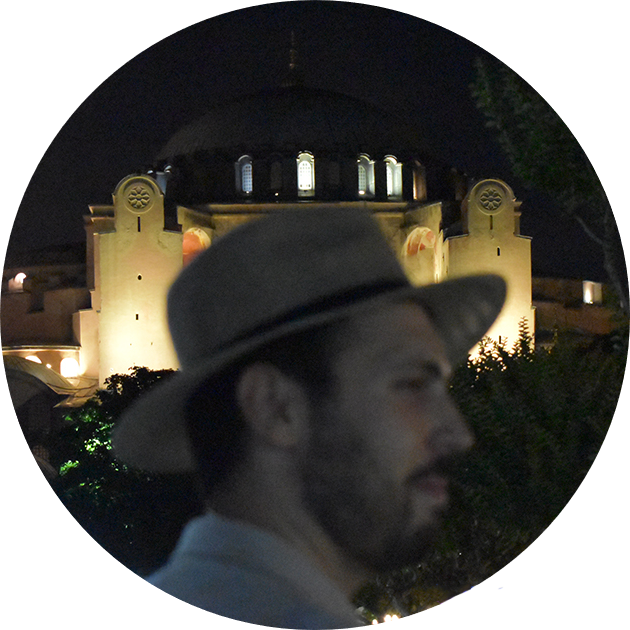
A lot of folks think they’ve got Istanbul all figured out before they even set foot here, especially if it’s their First-Time in Istanbul. But trust me, they really don’t. What they’ve got is a watered-down version of the city, shaped by travel blogs that are more interested in affiliate links and commissions than the real deal. You know the type — those articles that kick off with a quick note about “partnership links” before they even say hi. That’s not what I’m about.
The web is overflowing with guides that sound sure of themselves but completely miss the heart of this place. They regurgitate the same phrases, highlight the same tourist traps, and gloss over the gritty reality to keep everyone cozy and clicking. That’s why I felt compelled to write this myself — from the viewpoint of someone who was born here, roamed these streets, and has spent years showing people the authentic Istanbul, not the glossy brochure version.
This isn’t going to be just another “Top 10 Things to Do” list. The aim here is straightforward: to bridge the gap between what’s written and what you actually experience when you visit Istanbul for the first time. Get ready for solid, no-nonsense recommendations, genuine insights, and a guide crafted specifically for first-time visitors in Istanbul who want to truly grasp the city — not just breeze through it. No sponsored fluff. No hidden motives. Just Istanbul in all its raw beauty.

Why I Decided to Write About First-Time Visits in Istanbul
I dove into researching this topic just like anyone else would — as a tour guide on the hunt for some real inspiration to create something genuinely helpful for my website and for travelers gearing up for their First-Time in Istanbul. Honestly, what I stumbled upon online was quite eye-opening.
It turns out that many of the top articles on Google are penned by folks who spent only a few days in Istanbul and then deemed themselves experts ready to guide countless visitors. They write with such confidence, yet their understanding barely scratches the surface. Take one site that’s comfortably sitting in the second spot on Google; it talks about the Basilica Cistern but uses a photo of the Şerefiye Cistern (Cistern of Theodosius). Others completely mix up different cisterns or even mislabel Turkish Delight as a “main dish.” That says a lot, doesn’t it?
There’s also this ongoing effort to portray Istanbul through a Middle Eastern stereotype, which leaves many travelers stunned when they discover the city’s true vibe. The issue isn’t that these writers are outsiders — it’s that they base their narratives on a mere 3, 4, or 5-day experience, shaping the world’s perception of my city from such a brief visit. One even boasts: “Yes, the five days I spent in Istanbul gave me a great opportunity to explore large amounts of this city.” I’ll let you ponder that. What would you think if someone wrote an “ultimate guide” to your hometown after just five days there?
Istanbul is alive every single day of the year.
What you experience in Beyoğlu for five days during the summer is a far cry from what locals know during the winter nights. You won’t always find live music on İstiklal, and the crowd energy in Eminönü isn’t always the same. The city is in constant flux — and that’s precisely what most guides miss.
Instead, the internet is cluttered with the same old template regurgitated time and again:
How many days in Istanbul?
Best time to visit
Top 5 attractions
Where to stay
Getting around
Do I need to tip?
Are euros accepted?
…and a never-ending list of recycled questions crafted to satisfy algorithms.
At some point, it hit me: even if my guide never makes it to the top of Google — since this topic is super competitive — I still have a duty as a local. What I’ve learned inspired me to create a genuine article for First-Time in Istanbul visitors, not just from the perspective of a tourist on a quick trip, but from someone who truly belongs to this city and shows people around every single day.
The Bible for Experiencing Istanbul for the First Time
I’m putting together what I truly believe will be the most helpful, genuine, and practical guide for anyone visiting Istanbul for the first time. No fluff, no ads, and definitely no commission traps—just the essentials you really need: getting a feel for the city’s vibe, understanding social cues, comparing what you see online with the real deal, figuring out how many days you actually need, making the most of your time, avoiding common pitfalls that newbies often fall into, steering clear of time-wasting traps, exploring non-commercial activities, and perhaps most importantly, getting your mindset right—because that’s even more crucial than packing lists and luggage tips.
I highly recommend diving into this guide from start to finish—you won’t regret it, especially if it’s your First-Time in Istanbul! But if you’d rather take it piece by piece, don’t worry; it’s organized in a way that lets you scroll through the sections and read it like a handbook instead of a typical blog post.

What You Really Need to Know on Your First Visit
Everything you come across online tends to paint Istanbul as this complicated, crowded, and chaotic place. But honestly, it’s a lot simpler than it seems—once you get the hang of it.
Take the Basilica Cistern, for instance. You’ll find plenty of chatter online about “endless lines” and “skip-the-line miracles.” But here’s the reality: everyone, including tour guides and travel agencies, enters through the same main gate. Inside, there are just different paths for those with on-site tickets and groups who’ve pre-booked. The difference isn’t usually that significant. In fact, I’ve seen plenty of tourists who bought their tickets on-site get in faster than those with “priority” tickets from agencies.
And just a heads up: when a cruise ship pulls in, even the “priority” line for agencies and guides can get completely jammed. At that point, it doesn’t matter if you snagged your ticket from a fancy website or Willy Wonka’s golden booth—nobody’s moving. So, don’t let the marketing hype about “exclusive fast-entry access” fool you.
A Crucial Reminder Before You Start Exploring
You don’t owe anyone anything in this city. You came to explore Istanbul — your journey is yours alone, not something that belongs to any agency, guide, or website shouting “official” in all caps.
A Word About the Illusion of “Perfect Service“
Since 2008, I’ve been in the tourism industry long enough to confidently say this: perfect service is a myth. Especially when it comes to those services that flaunt flawless images, shiny websites, and dreamy promises of “unforgettable moments”—those are the ones you really need to be wary of.
Everything seems picture-perfect online: cheerful hosts, clear headsets, “professional local guides,” impeccable English, and a journey that flows without a hitch. But once you actually arrive, the truth starts to unfold—hasty greetings, robotic explanations, little room for flexibility, guides who seem to have a vocabulary of just ten phrases, cheap headsets that barely function but are just there to get you through museum security, and a sea of bewildered tourists trailing behind flags.
Many of the booking sites you come across—especially if it’s your First-Time in Istanbul—aren’t even official, though they sure know how to make themselves look that way. And let’s be real, Istanbul has so much more to offer than just museums, yet they keep shoving the same ticket options at you to keep you trapped in their buying cycle.
They pour hefty advertising budgets into climbing to the top of your search results, banking on one thing: that you’ll click the first link and stop questioning.

Understanding Istanbul Like a Local Mindset Guide
Before You Plan Your Days — Pay Attention to These Dates
Take a moment to jot down the dates I’m about to share with you. These aren’t just your run-of-the-mill “holiday tips.” These are the days when Istanbul really comes alive. On these dates, I wouldn’t recommend cramming in heavy museum visits or trying to explore the historical peninsula. Sure, you can still be in the city, but let Istanbul have its own vibe and don’t force your plans against the flow.
January 1 — New Year’s Day
Most places either open late or don’t open at all. Even if some museums are technically open, the vibe is far from enjoyable — the crowds are weary from the night before, the staff’s energy is low, and the overall mood isn’t great for meaningful sightseeing. You might get in… but you won’t truly experience it.
Easter Holiday (Late March to Mid/Late April)
Even though Turkey isn’t a Christian-majority country, you’ll see a surge of international visitors during this time because it coincides with a global travel break. This means more people everywhere — especially at iconic spots like Hagia Sophia, Basilica Cistern, and the Grand Bazaar.
Religious Holidays in Türkiye — Important to Note
Here’s something that most travel blogs overlook: public transportation is free for Turkish citizens during religious holidays, which leads to a huge influx of locals moving around the city. Istanbul is already bustling — add in tourists (who are also free to travel due to Easter or spring breaks abroad), and the city transforms into a whole different experience.
For 2026, make sure to mark these dates:
Ramadan Holiday: March 19, 20, 21, 22
Eid al-Adha (Feast of Sacrifice): May 26, 27, 28, 29, 30
Important: Turks often unofficially extend these holidays. So, if Ramadan officially kicks off on March 19, people might start traveling or taking time off as early as the 13th or 16th, turning a 4-day break into a 7-9 day wave of movement. That’s when traffic, crowds, ferry lines, and museum entries can become nearly unmanageable.
This Is Where Real Local Insight Matters
That’s why I always say: instead of wasting hours hunting for “skip-the-line” tickets, take a moment to figure out when it’s best to avoid the lines altogether. This is where local knowledge really shines compared to generic travel marketing.
I don’t make promises I can’t keep. The truth is, reality doesn’t change just because a website boasts “fast access” in big, bold letters. Reality is more like a solid wall. And many people hit that wall the moment they step into Sultanahmet on a national holiday, clutching their “priority tickets” in hand.
You’d be amazed at how many travelers I’ve encountered in similar situations — especially during their First-Time in Istanbul — folks who booked various tours through different agencies, ended up disappointed, and left those tours halfway through, only to run into me while I was leading another group. They always say the same thing: “We wish we had known this earlier.” It’s not that I expect them to hire me; it’s just the honest truth.

Understanding Social Codes — Beyond the Usual “Wear a Headscarf” Advice
In this section, I won’t bore you with the usual tips like “make sure to wear a headscarf when visiting a mosque” or “remember to check the prayer times.” You’ve probably come across that advice countless times. Instead, let’s dive into the real social nuances — the kind you can only grasp by actually living here, not just by skimming through travel blogs.
Turkish people are genuinely chatty and eager to help, even if there’s a bit of a language gap. Often, you won’t even finish your thought before someone jumps in to assist you directly, rather than just pointing you in the right direction. This warmth is authentic — but it doesn’t apply in every situation.
Helpfulness Has Context
Don’t expect that same level of enthusiasm at museum ticket counters or from taxi drivers during rush hour. Let’s face it: comfort and convenience are important to everyone. If you flag down a taxi and say “Taksim Square” in the middle of heavy traffic, the driver might just respond with, “No, I’m not going there.” It’s not that he doesn’t like you — he’s just weighing his time against his earnings. Locals face the same kind of rejection. It’s not personal; it’s just how things work in Istanbul.
It is what it is. Grasping this mindset early on will help you avoid a lot of unnecessary frustration.
Let’s set the record straight once and for all — Istanbul is not the stereotype you often see online.
One of the biggest blunders foreign content creators make is slapping the label “Middle East” on Istanbul or Türkiye and then writing from that limited perspective. That term is overused and often misapplied. Depending on who you ask, everyone can be considered “Middle East” to someone else. So, let’s ditch that label and focus on the real picture.
Here’s the deal:
No one’s going to judge you for sipping water or grabbing a bite during Ramadan.
You won’t find anyone waiting to scold you in public for just living your life.
And you definitely won’t be “called out” for not knowing every little religious custom.
The idea that visitors need to tiptoe around Istanbul as if it’s some strict, ultra-conservative zone is simply false.
Religion, Respect & Real Life
In Türkiye, you’ll find Muslims, Christians, and folks who don’t subscribe to any belief, all coexisting peacefully. Respect here is both mutual and practical.
Your bartender might be fasting during Ramadan, yet still serve you a drink with a friendly smile — and you probably wouldn’t even notice.
That’s just how life flows here: belief is personal, but hospitality is very much a public affair.

The “Tourist Bubble” vs. The Real City
Over the last few years, thanks to the snowball effect of social media, every little detail about travel seems to get blown way out of proportion. In this section, I want to dive into the concept of Tourist Bubbles, who really benefits from them, and the authentic city that lies behind all that noise.
Let’s take Galata Tower as an example—it’s a classic case. Sure, that 360° view is tempting, and I get it. But let’s not kid ourselves: “We paid 30 euros each, and everything felt overpriced.” The truth is, you could stroll just a few streets away, find a cozy terrace with nearly the same view, and enjoy a meal for just 10 euros total. What you experienced wasn’t Istanbul being pricey; it was just a tourist spot doing what tourist spots do everywhere. It’s the same story in Paris, Rome, or Barcelona—if you opt for the most Instagrammable location, you’re paying for the picture-perfect frame.
Now, let’s discuss those who capitalize on this lack of local insight.
Anyone who tells you to “Skip the line at Galata Tower” is really just selling you a fantasy. Here’s the truth: there are two elevators, each holding 6 people. So, that’s only 12 people every few minutes—there’s no secret entrance or VIP passage. You weren’t aware of that, so you ended up booking a so-called guided shortcut. You didn’t just pay for a service; you paid for a lack of local knowledge. This is true for nearly every major site in Istanbul—people aren’t selling guidance; they’re selling your fear of missing out and your unfamiliarity with the city’s vibe.
Now, let’s talk about the heart of the matter:
The Real City. It’s just a stone’s throw away from all that tourist hustle and bustle. This city is rich, full of emotion, layered with stories, and incredibly rewarding. If you’re just planning to “visit” Istanbul, you’ll only be skimming the surface. But if you let yourself truly experience Istanbul—even if it’s just for a couple of days—you’ll discover something completely different. Each morning feels like a fresh start. You’ll find yourself drifting away from your usual routines and the city softly nudges you, saying: “Whatever you’re dealing with, just hold on until tomorrow—because tomorrow brings a whole new vibe.”
That’s why people leave Istanbul feeling empowered. They head back home with an indescribable feeling, and many find themselves coming back to reconnect with that magic. It’s not just about the delicious food, the rich history, or the picturesque views—it’s about the unseen rhythm, the emotional warmth of a vibrant city.
That’s why I’m still here, still guiding, rather than just managing my agency from behind a desk. Being part of that transformation, sharing this city moment by moment with others—that’s what I can’t let go of. And that’s the Istanbul I want you to discover.
How Many Days Do You Really Need in Istanbul?
Every forum and blog I’ve come across on this topic seems to be fixated on setting limits for yourself. But let me remind you of a simple truth (one I sometimes forget myself): there are no limits.
Sure, the number of days you have is fixed, but when I say “no limits,” I mean this: you should craft your itinerary based on truly understanding Istanbul, not just following someone else’s checklist. If you dive into booking and cramming your days without a clear perspective, you might find yourself doing things like “People Watching in Taksim Square” just because it was listed as an activity, or saving important experiences for a hypothetical “second visit.” Let’s treat your first visit as if it’s your only one. If Istanbul captivates you enough to come back (which it likely will), you can think about your second trip later.
If your aim is to see iconic sites
Hagia Sophia, Topkapı Palace, Basilica Cistern, Blue Mosque, and the Grand Bazaar, remember that each of these places has its own vibe, crowd patterns, and timing. Instead of rushing to book everything as if there’s no tomorrow, take a moment to clarify your true expectations. You don’t have to go to the Grand Bazaar just to shop—honestly, I can’t even recall the last time I, as a local, went there for shopping. It’s been quite a while.
From a professional standpoint, keeping things categorized while allowing for some strategic flexibility is definitely the way to go. Always set aside a day for the unexpected—because let’s face it, Istanbul has a way of surprising you. Reserve another day for those experiences that truly resonate with you, the ones that matter, rather than just what travel blogs suggest. And if you have a friend who’s been here and shared some golden tips, make sure to weave those into your personal itinerary—they can really add some vibrant touches to your journey.
What I’m working on right now ties directly into this concept. Soon, anyone who travels with me will experience zero stress when it comes to planning their time here. I’m creating something unique that can’t be duplicated, copied, or crammed into a standard city pass. It’s going to transform how newcomers experience Istanbul.
The key takeaway here: don’t just tick off attractions. Craft your own journey. Something that serves as your safe haven, not just another city pass.

Travel and Time Management Tips for First-Time Visitors in Istanbul
We’ve already talked about how to create your perfect trip and make the most of your time. I’ve shared some key insights on mindset and logistics, but I wanted to dedicate this section to some specific advice based on my own experiences over the years.
If sightseeing isn’t your top priority, don’t feel pressured to book a two-hour Bosphorus cruise just because it’s on every “Must-Do in Istanbul” list. And honestly—if you’re visiting in winter, just skip it. It might sound romantic in pictures, but in reality, it’s often cold and grey, and you’ll find yourself looking at the city from afar instead of truly experiencing it. There’s a big difference.
The same goes for the Turkish Bath / Hammam experience. I won’t say it’s a total waste of time, but let’s be real—the classic hammam experience isn’t quite what you see on Instagram or in travel brochures with their fruit platters and spa-like vibes. Traditional hammams are more about function than luxury. They’re straightforward and no-frills. You won’t find clay masks, citrus platters, or soothing background music. It’s all business. Yes, they’re clean, but they’re also heavily marketed.
The true essence of Istanbul
The true essence of Istanbul isn’t found in the “activities” section of a travel brochure. Some of the most memorable experiences here are completely free—like sipping tea on a street corner while watching ferries glide by, striking up a conversation in a cozy backstreet tea house, or taking a leisurely morning stroll through a hidden neighborhood as the city comes to life.
Steer clear of cookie-cutter itineraries. Some airlines, travel agencies, and even popular influencers promote schedules that cater to their own preferences, partnerships, and convenience—not yours. Are you really going to hand over your travel plans to someone you’ll only see for a couple of minutes at an airport desk? (And yes, I definitely don’t count myself among that crowd.)
Istanbul isn’t just a stage for belly dancers and flashy “cultural nights.” Don’t waste your time on gimmicks. Seek out genuine experiences. Get something authentic.
At the end of the day, every euro or dollar you spend is important, but remember—your time is always worth more than your budget.
Coping & Pasting What People Did Before
There’s something important I need to say out loud. People are all unique—what brings joy to one traveler might not resonate with another at all. Yet, it’s funny how everyone keeps doing the same things and still hopes for a different experience in Istanbul. That’s the trap we fall into.
You can’t just follow the same steps and expect to create a one-of-a-kind memory. The gap between the real Istanbul and the shiny illusion of it is razor-thin; I sometimes find myself mixing them up when I’m not paying attention.
For instance, if you genuinely want to witness a Whirling Dervish ceremony, make sure you do it with intention. Don’t just go because a pop-up ad or a website booked it for you before you even touched down. Make that choice consciously, not because you were led into it.
So, how do you break free from this cycle?
By being the kind of person who seeks the truth instead of just accepting the first offer that comes your way. Dive into YouTube, read reviews—and remember that even those videos can be sponsored content. That’s why I suggested leaving one day open in your itinerary—to give yourself the chance to adapt based on what feels right when you’re actually here, not just what an algorithm suggested months ago.
Embrace your freedom—not just the freedom to move around, but the freedom to think for yourself. Arrive like a blank canvas. You can paint your experience however you wish.
Be true to yourself, so you can easily spot what’s genuine and what’s just trying too hard to sell you something. If something seems overly polished, too perfect, or too staged… maybe your first thought should be: “What’s the catch?“

The Real Time-Wasting Blackholes in Istanbul
Let’s keep this section straightforward and focus on a few essential points—not to turn you into the most “prepared” visitor of Istanbul, but to help you become the most aware one. Because honestly, awareness trumps preparation every single time.
Stop getting lost in endless research. Instead, grab a pen and a blank page. Jot down three simple lists:
- Things that genuinely spark your interest
- Insights you wish people had before visiting your hometown (this will help you understand Istanbul better)
- Shared interests of those traveling with you—whether it’s your partner, friends, or family
Now, start drawing connections between these three lists:
What overlaps, seems worth exploring? What feels like a “maybe, if I have time”?
This straightforward exercise will help you shake off that nagging “unknown anxiety”—the travel version of the boogeyman lurking under your bed. Once you put a name to things, you take away their power. When you encounter them in real life, you’ll recognize them right away instead of panicking.
Let me give you a sneak peek of what’s hiding in the shadows here in Istanbul, waiting for the unprepared:
Fake tours
“Official ticket partner” websites that are anything but official
Tour guides stuck in a loop, reciting the same memorized lines
Synthetic, plastic “cultural shows” (I like to call them rubber duck experiences)
Commission-driven folks who seem friendly but are really just after your money
Imitations of authentic places
Free walking tours that aren’t free at all
And many more subtle traps disguised as “must-do experiences”
Earlier, I shared the real antidote—how to spot, avoid, and completely sidestep these time-wasting black holes in Istanbul. Use that knowledge. That’s how you travel like someone who sees both the stage and what’s happening behind the scenes.

Buried Commercial-Free Activities in Istanbul — The City Beyond Ads
If you’ve been keeping up with the usual travel guides, you’ve likely come across the same old list time and time again—especially if it’s your First-Time in Istanbul: Hagia Sophia, Grand Bazaar, Bosphorus cruises, and those rooftop bars boasting Instagram-worthy views. Sure, they’re all great spots, but let’s be honest—they’re overhyped, overpriced, and often packed with tourists. What about the side of Istanbul that doesn’t flaunt itself, that won’t hit you with a hefty price tag, and isn’t trying to sell you something at every turn? I like to think of these as the hidden gems of the city—those commercial-free experiences that reveal the true heartbeat of Istanbul, just waiting for those who are willing to look a little deeper.
Stroll Through the Forgotten Neighborhoods
Start your journey in Balat, Fener, and Kuzguncuk. Don’t go just for the Instagram shots or to tick off a checklist; immerse yourself in the vibrant layers of Istanbul. Each street tells a tale: a weathered mosaic, a tucked-away church, a fountain that’s been there for centuries, or a cozy café where locals gather over tea at 8 am, chatting as if time hasn’t changed in a hundred years. Take your time. Pause at a random door and share a smile with a shopkeeper—you’ll experience a slice of life that no ticket can offer.
Tip: Steer clear of the main tourist routes and let the side alleys lead you. The real magic is always found off the beaten path.
Experience Ferry Rides Like a Local
Many people see ferries as just a way to get around. But that’s not the whole story. Hop on a local ferry to Üsküdar or Kadıköy instead of a touristy Bosphorus cruise. Sit among the locals, watch fishermen casting their nets, and vendors selling simit and tea. You’ll witness the city in its raw, unfiltered beauty.
Bonus: Try catching a morning ferry—especially if it’s your First-Time in Istanbul—locals with their coffee, students buried in their books, vendors balancing their baskets. It’s a glimpse into life as it truly flows.
You can find the time tables of local ferries from here.
Explore Hidden Courtyards & Historic Passageways
Rather than visiting the well-known attractions, venture into the forgotten courtyards and narrow historic passageways nestled between apartment buildings in neighborhoods like Süleymaniye or Fatih. These quaint spots often conceal centuries-old fountains, tiny workshops, and artisan studios that remain untouched by commercial tourism. As you wander here, you’ll see history alive in the everyday moments—local artisans at work, children playing, and the elderly soaking up the sun.
Tip: Take your time. Peek behind gates, listen to the sounds of the streets, and you’ll discover the true heartbeat of Istanbul.
Rooftop Tea Houses Off the Grid
Sure, rooftop restaurants are a dime a dozen. But have you stumbled upon those charming tea terraces that only ask for the price of a cup of Turkish tea? They sit high above the bustling streets, where you can watch laundry dance in the breeze and ferries glide by. These spots offer genuine local views, far removed from the polished Instagram feeds.
Take a seat. Soak it all in. Listen closely. Let life unfold around you.
Random Acts of Local Immersion
Grab a loaf of bread from a neighborhood bakery and share a warm smile with the baker.
Pop into a mosque during a quiet moment (definitely not around Friday noon) and take in the daily prayers.
Mingle with locals at the small street markets in Kadıköy or Beşiktaş—not the tourist traps—where fresh produce, spices, and everyday life come together.
These experiences are priceless because they’re authentic, untouched by commercialization, and truly unforgettable.
The Philosophy Behind Buried Activities
Istanbul’s real treasure isn’t found in tickets, long lines, or Instagrammable moments. It lies in the experiences that come without a price tag, without a commission, and without the crowds. If you seek out this side of Istanbul, you’ll witness the city come alive in ways that no museum, guidebook, or influencer can capture.
The secret is straightforward: look where others overlook, listen more than you talk, and let your curiosity lead the way. That’s how Istanbul rewards those on their First-Time in Istanbul yearning for something real.

Preparing Your Mind — Not Just Your Itinerary
Most travelers step into Istanbul with their guides, maps, and spreadsheets in hand, convinced that crafting the perfect itinerary is the secret to an unforgettable adventure. But let me share a little secret: it’s not the schedule that will make your visit special—it’s all about your mindset.
Istanbul doesn’t play by the rules of checklists. This vibrant city has its own unique rhythm, and it won’t conform to your plans. If you stick too closely to someone else’s itinerary, you might miss out on the hidden gems that breathe life into this place—the enticing aroma of fresh simit wafting through a quiet alley, the joyful laughter of locals spilling from a tea garden, or the way sunlight dances on ancient tiles tucked away behind an old gate.
Here’s how to prepare your mind:
Let your curiosity take the lead instead of worrying about missing out. Take a break from those “top 10” lists for a bit. Ask yourself: what truly excites me? What would I want to explore if I had all the time in the world? The answers you find will guide you to experiences that feel real and genuine, rather than just commercialized.
Embrace the unknown. In Istanbul, buses might run late, ferries can get packed, and museums may close unexpectedly. Instead of viewing these hiccups as setbacks, think of them as chances to stumble upon something new—something that no guidebook could ever prepare you for. Some of the city’s most memorable moments are the ones that happen spontaneously and aren’t perfect.
Let go of comparisons. Stop holding your trip up against the photos, blogs, or influencers you’ve seen. You’re not here to recreate someone else’s journey; you’re here to craft your own. Embrace the unfamiliar, and allow it to teach you patience, humility, and a sense of wonder.
Stay in the moment.
Don’t rush from one attraction to the next just to tick off boxes. Take a seat on a ferry and watch the city’s reflection dance on the water. Find a corner in Kadıköy and let life unfold around you. It’s these quiet, subtle moments that will stick with you for years to come.
Be open to changing your expectations. Some days will dazzle you with magic, while others might bring a bit of frustration. Both are part of the Istanbul experience. When you’re ready to adapt, you’ll discover joy in every moment, even in the small, seemingly insignificant ones.
In the end, planning your itinerary is just a small part of the journey. What really matters is preparing your mindset, especially for your First-Time in Istanbul. If you arrive with an open heart and a willingness to see, feel, and soak it all in, Istanbul will reward you in ways that no guidebook could ever promise.
Conclusion
Visiting Istanbul for the first time isn’t just about checking off a list of sights—it’s about diving into a city that pulses with life, surprises, and stories at every turn. I’m sharing these insights not as a travel agent looking for commissions or as a fleeting visitor, but as someone who has been born, raised, and has spent years guiding people through this vibrant city. Everything I share comes from my own experiences—what I’ve seen, learned, and truly lived in Istanbul.
If there’s one takeaway, let it be this: your time, curiosity, and awareness are worth more than any ticket, itinerary, or guidebook suggestion—especially on your First-Time in Istanbul. Trust your instincts, wander off the beaten path, and allow Istanbul to unfold its authentic, unfiltered charm to you.
I’m always posting real-time updates, insider tips, and the latest news about Istanbul on my social media and my website, Istanbul Insider. There, you can explore everything I’ve written, from hidden gems and unique activities to practical advice for first-time visitors. So, stay connected, follow along, and turn your trip to Istanbul into a genuine, unforgettable adventure.