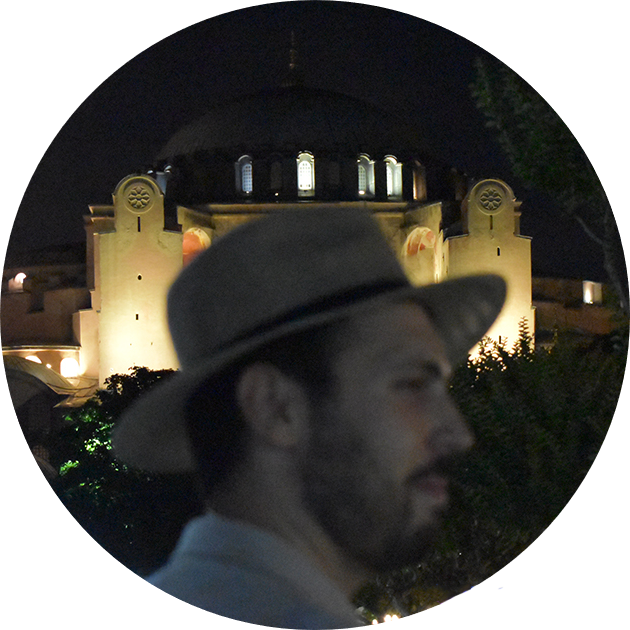
Religion in Istanbul is not just a backdrop; it’s a vibrant part of daily life that you can see and feel everywhere you go, and this Istanbul Mosque & Culture Guide helps you understand it in context.
For many travelers, stepping into a mosque or witnessing local religious customs sparks questions that go beyond just admiring the architecture or ticking off a sightseeing list. What’s the right way to dress? How should you behave? What’s expected of you—and what’s not—when you’re inside these sacred spaces? These questions are totally normal, especially for those experiencing Islamic traditions for the first time.
As a licensed tour guide and a proud Istanbul native with over ten years of experience, I’ve had the pleasure of showing countless visitors around mosques and cultural sites. I’ve answered these questions time and again—sometimes quietly, sometimes with a bit of hesitation, but always with the same goal in mind: helping you navigate these spaces respectfully and comfortably.
This guide is here to tackle those concerns head-on.
You’ll find straightforward, practical answers to the most common questions about mosques, religion, and cultural etiquette in Istanbul, all explained with context rather than assumptions. We’ll focus on everyday practices, what’s considered appropriate behavior, and clear up any misconceptions—so you can connect with the city in a respectful and enjoyable way.
This article is Part 7 of the ongoing series “1000 Frequently Asked Questions About Istanbul.” It’s dedicated entirely to religious spaces and cultural etiquette in the city, providing you with accurate, experience-based insights for those who want to observe, visit, and engage thoughtfully—without oversimplifying, feeling anxious about cultural differences, or relying on generic advice.

Are mosques in Istanbul open to tourists?
Yes. As long as you stay outside prayer times, you are more than welcome to visit mosques in Istanbul. Local mosques offer living lessons on the spiritual side of the city, wrapped in extraordinary architecture. Discover more in the Istanbul Mosque & Culture Guide.
Can non-Muslims enter mosques in Istanbul?
Yes, non-Muslims can enter mosques in Istanbul. Please be mindful of daily prayer schedules. During prayer times, most major mosques—such as the Blue Mosque or Süleymaniye Mosque—are closed to visitors. Right after the prayers end, visitors may continue their visits.
Are mosques free to enter in Istanbul?
Yes. Please be aware that there are some offers online selling “tickets” to the Blue Mosque, which is completely free and does not require any admission fee or ticket at all.
What is the dress code for mosques in Istanbul?
Dress modestly by covering the major parts of your body. Short shorts and sleeveless shirts are not allowed. Women are required to cover their hair with a headscarf.
Do women need to cover their hair in mosques?
Yes. All mosques require women to cover their hair. It does not have to be perfectly strict, but covering most of the hair with a scarf is sufficient.
Can men wear shorts in mosques?
No, not if they are above knee level. Shorts are accepted only if they extend below the knees.
Are scarves provided at mosque entrances?
In most mosques, such as the Blue Mosque, you can borrow scarves at the entrance. At Hagia Sophia, however, you must purchase them if you do not already have one. More details are available in the Istanbul Mosque & Culture Guide.
Are shoes allowed inside mosques?
No. Shoes must be removed before entering mosques, with one exception: the upper galleries (second floor) of Hagia Sophia, which function as a visiting area and allow shoes.
Where do I leave my shoes in a mosque?
At the Blue Mosque, you may carry them with you in a bag or leave them in the wardrobes inside. The system is similar in most other mosques.
Can I bring a backpack into a mosque?
Yes. Only in major sites like Hagia Sophia can large backpacks slightly slow you down during security checks. In other mosques, you will usually have no issues.
Can I take photos inside mosques?
Yes, you may take photos freely. Please remember that mosques are active places of worship, and prayers may be taking place while you are visiting. Be respectful of people’s privacy.
Is it respectful to take selfies in mosques?
Yes. Selfies and general photography are fine as long as you respect the privacy of those who are praying.
Can I film inside mosques?
Yes, you can. Be mindful of worshippers’ privacy. In some cases, you may be asked to turn off flashes to protect historical elements and the atmosphere of the space. Learn more in the Istanbul Mosque & Culture Guide.
Are tripods allowed in mosques?
Professional equipment requires special permission. Tripods, drones, professional lighting, and similar equipment are not allowed without permits.
Can I talk inside a mosque?
Yes. As long as you behave responsibly, you may talk inside mosques.
Should I be silent inside mosques?
You may speak quietly outside prayer times. During prayers, however, making every effort to remain silent is essential.
Can I sit on the carpet in a mosque?
Yes. As long as you behave respectfully, you may sit or rest on the carpets inside Istanbul’s mosques.
Can I walk in front of people who are praying?
Only if you must, though you will rarely need to. Most mosques do not expect visitors during prayer times, so this situation is uncommon. Guidance is available in the Istanbul Mosque & Culture Guide.
What should I do if prayer starts while I’m inside?
In mosques like the Blue Mosque or Süleymaniye, staff will kindly ask you to leave until the prayer ends. In smaller local mosques, people usually do not mind; you may sit quietly in a corner and wait until the prayer is over.
Are mosques closed during prayer times?
In highly visited mosques like the Blue Mosque, the building is evacuated during prayers. The Hagia Sophia, visitors may remain inside except during Friday prayer. Even in non-touristic mosques, people may not even notice your presence.
How long does prayer last in mosques?
It depends on the prayer and individual worshippers. Some prayers take only 8–10 minutes, while others may last 30 to 45 minutes.
How many daily prayers are there in Islam?
There are five daily prayers in Islam, spread throughout the day.
What time is Friday prayer in Istanbul?
Friday prayer generally takes place around midday, usually between 1:00 and 1:30 PM, depending on the season. You can always check updated schedules here:
https://namazvakitleri.diyanet.gov.tr/en-US/9541/prayer-time-for-istanbul
Should tourists avoid mosques on Fridays?
That depends on you. You cannot enter during Friday prayer, and outside that window—early in the morning or after about 2:30 PM—major mosques may be extra crowded due to the limited visiting hours.
Is Hagia Sophia still an active mosque?
Yes. Hagia Sophia has been operating as an active mosque since July 10, 2020.
Can I visit Hagia Sophia during prayer time?
Yes, you can—except during Friday prayer, which takes place roughly between 12:00 and 2:30 PM. Outside that window, visitors are allowed inside even while regular daily prayers are taking place.
Are tourists separated from worshippers in Hagia Sophia?
Yes. Visitors access the upper galleries of Hagia Sophia, while prayers are held on the main (grand) floor. This physical separation allows worship to continue without interruption while visitors experience the monument.
Is the Blue Mosque an active mosque?
Yes. It has been operating as an active mosque since its first prayer in 1617 and continues to serve worshippers today.
Why is the Blue Mosque closed at certain hours?
During Friday prayer—generally between 12:00 and 2:30 PM—the Blue Mosque does not accept visitors. The building follows prayer schedules and welcomes visitors only outside prayer times, which is why it is closed at certain hours.
Can I visit small neighborhood mosques?
Yes, and they are often more accessible than major landmarks like the Blue Mosque or Süleymaniye. Because the large mosques attract heavy crowds, small neighborhood mosques receive far less traffic, making them easier and calmer to visit. Learn more in the Istanbul Mosque & Culture Guide.
Are local mosques welcoming to foreigners?
Yes. Some local mosques even have welcoming desks and staff specifically assigned to greet foreigners and tourists. These officers introduce both the mosque and Islam in general. You will be warmly received if you choose to visit local mosques in Istanbul.
Is it rude to enter a mosque just for photos?
Not really. As long as it is not professional photography involving tripods, heavy equipment, or drones—and as long as you are outside prayer times—anyone may enter and take photos inside or outside Istanbul’s mosques.
How do locals feel about tourists in mosques?
Generally, locals do not mind at all as long as they are not disturbed. In fact, many are surprisingly welcoming and kind toward visitors—more insights can be found in the Istanbul Mosque & Culture Guide.
What behavior is considered disrespectful in a mosque?
Nudity, disrespect toward the mosque, worshippers, Islam, or Turkish culture in any form is considered inappropriate. This includes offensive gestures, disruptive behavior, or disturbing people during prayer with noise or actions.
Can I bring children into mosques?
Absolutely. Local families bring their children into mosques as well. The only common limitation is that baby strollers are usually left outside at the entrance, mainly for cleanliness and practical reasons related to the carpets.
How should I explain mosque etiquette to kids?
You can explain that every religion has its own philosophy, habits, and moral rules. Mosque etiquette is not very different from Western ideas of respect and quiet behavior, so it can be explained easily to children.
Is it okay to visit multiple mosques in one day?
Of course. You can visit many mosques in Istanbul in a single day without any limitation or admission fees. Their minarets make them easy to spot, and in theory, one could cover nearly all mosques in the city within a month or two.
What is the difference between a mosque and a museum?
Museums are organized spaces designed to professionally exhibit artifacts and monuments, usually requiring entrance tickets. Mosques, on the other hand, are accessible throughout the day and free of charge. They do not aim to display artifacts or operate as exhibition spaces. The main exception is Hagia Sophia, which has a paid visitor section on its second floor dedicated to historical displays.
Why do some mosques feel more spiritual than others?
This often comes from architectural atmosphere and sudden, powerful moments—such as hearing the call to prayer inside, or listening to Quranic verses recited during special occasions. Learn more in the Istanbul Mosque & Culture Guide.
How can I visit mosques respectfully?
Follow the dress code and behave responsibly. That alone ensures a respectful visit. Be mindful that some locals may feel uncomfortable if photographed during prayer.
What should I wear in Istanbul in general?
Istanbul has no strict dress rules in daily life. It is highly cosmopolitan. Whether you dress casually, fashionably, or conservatively, no one will judge you. The only red line is nudity in mosques, cemeteries, and places of religious or national importance. Skirts and shorts are perfectly acceptable in public spaces.
Do tourists need to dress conservatively in the city?
Not really. You can wear your everyday clothes in Istanbul and locals will hardly notice. There is no requirement to dress conservatively unless you are entering religious sites.
Can women wear shorts in Istanbul?
Yes. Istanbul is a modern, cosmopolitan city with respect for all lifestyles and clothing choices, as long as religious site dress codes are respected.
Can men wear tank tops in Istanbul?
Yes. Men can wear tank tops in the city, provided they follow dress rules when entering religious places.
Is it okay to sunbathe in public parks?
Yes. Locals sunbathe along the Bosphorus and even swim in certain areas. You will not be bothered as long as you are not in the middle of traffic or blocking public use.
Is public affection acceptable in Istanbul?
It depends on the level. A simple kiss or gesture of affection is generally fine. As long as you are not disturbing others, people will not be bothered.
Can couples hold hands in public?
Yes. Istanbul respects human relationships and love. Couples holding hands in public is completely normal.
Is kissing in public frowned upon?
It is not a major taboo. It is likely happening somewhere in Istanbul right now. As long as it is not intrusive or disruptive, you will be fine.
How do locals view Western tourists?
Most locals are well-connected with the West and have relationships across the globe. You will not be judged or discriminated against simply for being foreign or Western.
Are Turks offended easily?
Turkish people are deeply connected to their flag, religion, and cultural values. It is difficult to offend them unless you directly disrespect these. Otherwise, they generally have a strong sense of humor and a broad outlook on life.
What gestures are rude in Turkey?
Sticking your thumb between your index and middle fingers is the equivalent of raising your middle finger. It is considered extremely rude in Turkey. Even if it is harmless in your culture, here it carries a strong insult. It’s best to avoid this gesture entirely.
Is pointing considered rude in Türkiye?
In general, yes. Pointing directly at people is not considered polite and can be easily misunderstood. Instead of pointing with a finger, people usually gesture with an open hand or a subtle head movement. In Istanbul and across Türkiye, direct pointing may be perceived as rude.
Is showing the sole of your shoe rude?
It is considered rude almost everywhere, including in Istanbul. Showing the sole of your shoe toward someone can be interpreted as disrespectful—unless, of course, you are clearly showing that you stepped on gum and asking for help.
How do I greet people in Istanbul?
A warm smile is more than enough. If you want to be sincere and friendly, you can shake hands or wave. Turkish people value social connection, so following up with a simple question about someone’s day is always appreciated.
Should I shake hands or nod?
Both are perfectly acceptable. Shaking hands or nodding will never be seen as rude or strange in Istanbul.
Is hugging common in Türkiye?
Hugging is not common in first meetings. It is considered a closer and more personal gesture. However, if the interaction feels warm and genuine, and you sense that a bond has formed, a hug will not be unexpected. Turkish people are expressive and open about their emotions once a connection is established.
Do people in Istanbul queue politely?
Mostly yes. There are always a few “go-getters” who may not respect turns, but serious incidents are rare. In general, people understand and respect queues.
How do locals behave on public transport?
Most people mind their own business, often looking at their phones. However, the public is very aware of what happens around them. If someone faints on a bus or metro, people immediately step in to help without hesitation.
Is it rude to eat while walking in Istanbul?
No, it is not rude. It’s simply not preferred culturally. In Turkish culture, eating is about sharing and connection. Locals usually prefer to sit down and enjoy food rather than eat while walking.
Is it rude to refuse tea in Türkiye?
No. Especially in tourist areas, tea offers often come with a sales intention. Refusing in such situations is completely normal. However, if you are invited into someone’s home or a genuinely hospitable environment, refusing without a reason may feel slightly impolite.
How do I politely say no in Turkish culture?
Turkish people can be insistent. The most polite way to say no is to give a reason first—health-related excuses work best—then show that you truly have no alternative but to refuse. Once you do this, pressure usually disappears and no one is offended.
Is bargaining part of Turkish culture?
Yes, bargaining is part of daily life in Türkiye, especially in bazaars. However, it has unwritten rules. Bargaining over very cheap items is often pointless and can feel disrespectful. Shopkeepers have expenses and aim for fair trade. Bargaining becomes reasonable when the purchase is larger or more valuable.
If you are buying a single magnet, you either pay the price or walk away. If you are making a significant purchase, bargaining becomes natural—and sometimes you may even receive small items for free.
Is it rude not to bargain in bazaars?
Not at all. If you don’t bargain, it simply means you accepted the deal. There is nothing rude about that.
Are shopkeepers offended if I don’t buy anything?
Only if you keep them busy for a long time and leave without purchasing. If you are just browsing, say so clearly. Decide quickly and act honestly to avoid creating false expectations.
How long is it polite to chat in a shop?
A quick 2–3 minute conversation is perfectly polite. Longer chats may unintentionally keep the shopkeeper from other customers.
Is it normal for shopkeepers to be very friendly?
Yes, friendliness is common. However, remember that sometimes this warmth is also a way to build trust and encourage a sale.
Are Turks direct or indirect in communication?
Mostly direct. Turkish people tend to express what they think and feel openly. If someone becomes indirect, it usually means they are trying not to offend you or are carefully reading your position.
How do locals show politeness?
Through simple kindness—holding a door, offering help, or doing something small that matters to you without expecting anything in return.
What does misafirperverlik mean?
It means hospitality. In Türkiye, it is more than a word—it is a value tied to honor. Turkish people take pride in being hospitable.
Why is hospitality important in Turkish culture?
Hospitality reflects basic human connection. Guests are seen as choosing to share time and space with you, and that choice is respected deeply. Welcoming someone properly is considered a matter of dignity and reputation.
Will locals invite me for tea?
It’s possible, but it depends on context. No one will randomly invite you on the street near Hagia Sophia unless they are seeking business. Real invitations usually arise after a genuine interaction—helping someone, sharing a moment, or crossing paths more than once.
Should I accept tea invitations from strangers?
First, consider where and why it is happening. If the reason feels unclear, it is better to decline. You are in a foreign country, and caution is wise.
Is refusing hospitality rude?
Not at all if you have a reason. Even without one, most people will understand. You can always say no.
How do I thank someone in Turkish?
You can say “Teşekkürler” (pronounced roughly as te-sheh-kür-ler). It means “Thank you.”
What are basic Turkish words tourists should know?
“Selam” means “Hi” or “Hello.” It’s simple and friendly. You don’t need to say “Selamün aleyküm”—“Selam” is enough.
I also created a full article with audio pronunciations of useful phrases here:
https://atourguideinconstantinople.org/top-10-turkish-phrases-to-know-before-visiting-istanbul/
Does saying a few Turkish words help?
It wouldn’t make a huge practical difference in daily life, but emotionally it matters. It feels sympathetic and shows genuine interest. Even a simple “Selam” or “Teşekkürler” breaks the invisible wall between visitor and local.
How do locals feel when tourists speak Turkish?
We usually laugh—and love it at the same time. Turkish pronunciation is not easy at all, so when a foreigner tries, it feels warm and sincere. Nobody expects perfection. The effort itself is what matters.
Is Istanbul religious or secular?
A little bit of both. You can find highly religious corners, highly secular ones, and places where both exist side by side. It depends entirely on where you go and how you position yourself in the city. More context is provided in the Istanbul Mosque & Culture Guide.
How religious are people in Istanbul?
People live their religions here. There are Christians, Jews, Muslims, and more. Istanbul is melted in the same pot, and everyone lives with mutual understanding.
Do young people in Istanbul practice religion?
Some do, some don’t. In Turkish mentality, religion is something deeply personal. It is not bound to age, trends, or demographics.
Are there churches and synagogues in Istanbul?
Yes, all kinds. Orthodox churches, Catholic churches, Jewish synagogues. In fact, on İstiklal Avenue you can see all of them within the same sightline.
Can I visit churches in Istanbul?
Yes. Most are open to the public. Some function mainly during religious days such as Sundays or Easter, but many welcome visitors on regular days as well.
Are Christian sites easy to find in Istanbul?
Yes. Most are well-marked and pinned on maps. You can easily locate them using Google or local guides.
Is Istanbul tolerant of different religions?
Yes, because it is a multi-religious city. Different beliefs have coexisted here for centuries. This naturally creates tolerance toward different religions and ideologies.
What religions coexist in Istanbul?
Muslims, Greek Orthodox Christians, Armenian Christians, Catholic Levantines, Syriac Christians, Sephardic Jews, and others all coexist in Istanbul.
Can I attend a religious ceremony as a visitor?
Yes. Many ceremonies are open to the public according to their schedules. As long as you behave respectfully, you are welcome.
Are religious festivals visible to tourists?
Yes. During religious days, festivals appear in public squares, streets, and neighborhoods. Sometimes they even take place in tourist-heavy areas.
What is Ramadan like in Istanbul?
Ramadan is calm and spiritual. It brings a different rhythm to daily life. During the day, cafés and restaurants feel quieter. In the evening, the city comes alive. Experiencing Ramadan in Istanbul is special—it truly “hits different.”
Is it respectful to eat in public during Ramadan?
Yes. You can eat in public without any problem. Locals understand that not everyone fasts. In the evenings, you’ll even see public squares filled with long tables where people break their fast together for free.
Are restaurants open during Ramadan?
Yes, most remain open. Some places that mainly serve locals may shift their hours to the evening. Even then, you will always find alternatives.
What is Eid in Türkiye?
Eid (Bayram) is a religious holiday. In 2026, Eid al-Fitr will begin around March 20. It marks the end of Ramadan and is celebrated nationwide.
How is Eid celebrated in Istanbul?
The first day begins with prayers in mosques. Then people visit elders and family members. Those who are distant make peace. Istanbul often becomes crowded with domestic travelers. Public transportation is usually free for citizens, and sometimes museum entries are free as well.
Will shops close during religious holidays?
The Grand Bazaar closes during Bayram. Other shops mostly stay open. Life continues.
Are museums open during Bayram?
Most museums remain open, though some open later in the day or close only on the first day. Schedules can change, so it’s wise to follow updates from reliable local sources.
Is alcohol sold during religious holidays?
Yes. In tourist areas, alcohol is available as usual. You will not have trouble finding places to drink.
Can I drink alcohol near mosques?
Technically, yes in public areas, but culturally it is better to avoid drinking alcohol right next to mosques or their courtyards. Even if no one confronts you, it can feel disrespectful to locals. Just take a few steps away and you’ll be perfectly fine. Learn more in the Istanbul Mosque & Culture Guide.
Is it disrespectful to smoke near mosques?
Yes, especially at entrances or inside courtyards. Smoking directly in front of a mosque can be seen as careless or disrespectful. Move a little farther away and nobody will mind.
How can I avoid cultural misunderstandings in Istanbul?
By observing first and acting second. Watch how locals behave, especially in religious or traditional settings. Ask when unsure. A small pause and awareness save you from almost every misunderstanding.
What cultural habits surprise tourists most?
The warmth. How easily people help. How quickly strangers offer guidance. The mixture of deep tradition and modern lifestyle in the same street. Also, how religion and daily life coexist without tension.
How can I be a respectful guest in Istanbul?
Respect dress codes in religious places. Be mindful during prayers. Don’t assume everyone thinks like you. Show curiosity instead of judgment.
If you approach Istanbul with humility and openness, the city opens itself to you in return.
Conclusion
Respectful and informed visits to Istanbul’s mosques and cultural sites start here. Deepen your understanding with the full collection in the Istanbul Mosque & Culture Guide.
40 Essential Istanbul Travel Questions & General FAQs
Arriving in Istanbul: 30 FAQs on Airports, Transport & First Steps
First-Time in Istanbul: 30 Curiosities & Frequently Asked Questions
Money in Istanbul: 100 FAQs on Costs, Cash, and Budgeting
Safety in Istanbul: 100 FAQs on Common Scams & Tourist Mistakes
Sights & Museums: 100 FAQs for Exploring Istanbul’s History
Istanbul Food & Dining: 100 FAQs on Cuisine & Daily Life
Istanbul Neighborhood Guide: 100 FAQs on Districts & Areas
100 FAQs on Istanbul Weather, Seasons & What to Pack
Istanbul Tours vs. Solo Travel: 100 FAQs to Help You Decide
100 FAQs on Istanbul Connectivity, SIMs & Real-Life Scenarios